Time zone+7 UTC
Avg. temperature28-32°C
Best time to visitWinter
Most popular
Points of view
Saigon
Electrifying Megacity
There’s a city in southern Vietnam that hits you like a double espresso at 6 a.m. – intense, intoxicating, and absolutely impossible to ignore. 1Widely known as Saigon, this vibrant city is referred to as “the Pearl of the Far East” with its captivating heritage architecture, dynamic and bustling atmosphere, and friendly people. And in 2026, this city is firing on all cylinders like never before.
Ho Chi Minh City’s tourism sector has set the targets of welcoming 61 million visitors in 2026, including 11 million international arrivals, and earning 330 trillion VND (12.5 billion USD) in revenue. Those aren’t aspirational numbers pulled from thin air – in 2025, the city recorded about 8.56 million international visitors, 45.6 million domestic tourists, and revenue of 278 trillion VND. Skyscrapers tower over French colonial buildings and ancient pagodas, while the streets buzz with the hustle of daily life. This is a city where a Michelin-starred bowl of phở costs less than a New York subway fare, where rooftop cocktail bars overlook temples that are older than most Western countries, and where your monthly rent might be less than a weekend hotel stay in London. It’s chaotic. It’s stunning. It’s addictive. And it might just be the most exciting city in Southeast Asia right now.
Glance
Ho Chi Minh City
Ho Chi Minh City (HCMC), also known as Saigon, is the most populous municipality of Vietnam. As the largest financial centre in Vietnam, Ho Chi Minh City has the largest gross regional domestic product out of all Vietnam provinces and municipalities, contributing around a quarter of the country’s total GDP.
- Population (2026 est.): approximately 10,065,700 in the urban agglomeration; the actual population including unregistered residents reaches approximately 14 million.
- Location: Southern Vietnam, about 1,760 km south of Hanoi.
- Area: approximately 2,095 square kilometers.
- Climate: Tropical – hot and humid year-round, with a rainy season from May to November and a dry season from December to April.
- Best time to visit: December through April, when the skies are clear and humidity is more manageable.
Ho Chi Minh City is a young city with a history of just over 300 years of formation and development. Before becoming Vietnam’s commercial powerhouse, it served as the capital of the French colony of Cochinchina, then the capital of South Vietnam until 1975. The layers of history are visible on every street corner – from French colonial villas to Communist-era propaganda posters, from ancient pagodas to space-age skyscrapers.
Here
Getting
By Air
Tân Sơn Nhất International Airport is the busiest international transport hub in Vietnam, accounting for nearly half of all international arrivals to Vietnam. Direct flights arrive from major cities across Asia, Europe, the Middle East, and Oceania – Seoul, Tokyo, Singapore, Bangkok, London, Frankfurt, Sydney, Doha, Dubai, and many more.
A major development for 2026: Long Thành International Airport is scheduled to begin operating in 2026. Based in Long Thành, Đồng Nai, about 40 km east of Ho Chi Minh City, it will serve international flights, with a maximum traffic capacity of 100 million passengers per year when fully completed. This will massively increase capacity and international connectivity.
By Train
The Reunification Express train from Hanoi to HCMC is one of Southeast Asia’s most iconic rail journeys – 1,726 km through mountains, coastline, and countryside. Sleeper berths cost about $40-$60 for the 30+ hour journey. From closer cities like Nha Trang, it’s a scenic 7-8 hour ride.
By Bus
Modern sleeper buses connect HCMC to virtually every major city in southern and central Vietnam. Comfortable, air-conditioned, and absurdly cheap – tickets to destinations like Dalat, Nha Trang, or Mui Ne run $8-$15.
Airport Transfers
A taxi from Tân Sơn Nhất Airport to central District 1 costs about 150,000-200,000 VND ($6-$8) and takes 20-40 minutes depending on traffic. GrabCar or Xanh SM electric taxis are the best options – upfront pricing, no haggling.
Where to Start
Your first day in Saigon
Don’t try to conquer this city in 24 hours. It’s enormous, it’s overwhelming, and it demands that you surrender to its rhythm. Here’s how to spend your opening act:
Morning: Stroll through the historic streets of District 1 to visit landmarks like the Independence Palace, Notre-Dame Cathedral Basilica of Saigon, the Central Post Office, Saigon Opera House, and the War Remnants Museum. Grab a Vietnamese iced coffee (cà phê sữa đá) from any corner stall for less than a dollar – it’s the strongest, sweetest wake-up call you’ll ever have.
Afternoon: Walk down to Nguyễn Huệ Walking Street – a wide pedestrian boulevard stretching from City Hall to the Saigon River. Duck into side alleys for hidden cafes, or head to Bến Thành Market for a sensory overload of spices, souvenirs, and street food.
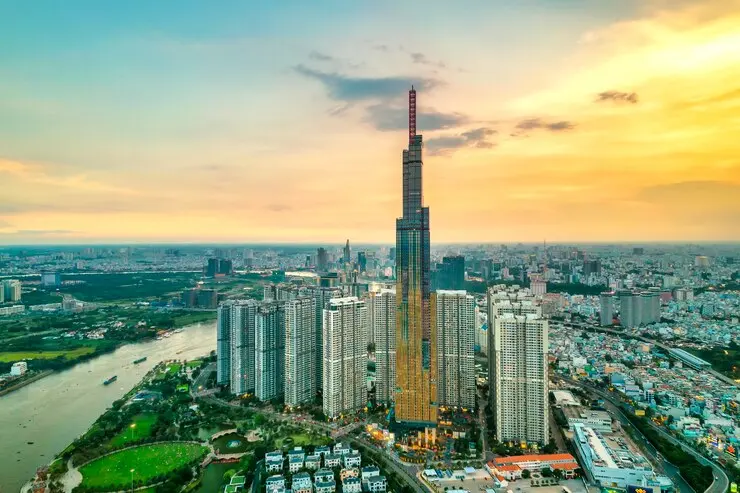
Evening: By night, you’ll find one of the main draws of the city: the nightlife. Hit Bui Vien Street for cheap beer and all-night-long parties. Or, for something more refined, head to a rooftop bar overlooking Landmark 81 – Southeast Asia’s second-tallest building – with a cocktail in hand and the twinkling city sprawling beneath you.
Things to Do
Top attractions
🏛️ Independence Palace (Reunification Palace)
Also commonly called the Independence Palace, the Reunification Palace was where the Vietnam War officially ended in 1975. Today, it stands as a symbol of the strength of the Vietnamese people and is a major attraction for tourists. Underground bunkers, elegant staterooms, and even a cinema space are found at the palace, though the reunification hall is undoubtedly the centrepiece. Entrance is about 65,000 VND (~$2.60). Don’t skip the audio guide – it transforms the visit from a walk-through into a deeply moving experience.
⚔️ War Remnants Museum
A visit to the War Remnants Museum is less a tourist activity and more a powerful, essential pilgrimage. It offers an unflinching, detailed look at the severity and human cost of the Vietnam War. This is one of the most visited museums in all of Vietnam, and for good reason. Allow at least 2-3 hours. Entrance is 40,000 VND (~$1.60).
🕳️ Cu Chi Tunnels
An extensive network of underground tunnels used by the Việt Cộng during the Vietnam War, located about 60-70 km northwest of the city center. You can try a secret trapdoor and walk through a stretch of the original tunnels. Two sites are open to visitors: Bến Dược and Bến Đình. Half-day tours from the city run $10-$25 per person. It’s a humbling, eye-opening experience that puts history into vivid perspective.
⛪ Notre-Dame Cathedral & Central Post Office
The Notre Dame Cathedral has been undergoing an extensive restoration since 2017, which is now projected for completion in late 2027. In 2026, visitors should expect scaffolding to cover major parts of the exterior. Focus your visit on the stunning Central Post Office next door. Designed by Gustave Eiffel, this still-functioning post office features a gorgeous vaulted ceiling, vintage map walls, and antique phone booths. You can actually buy stamps and mail a postcard home – how retro is that?
🏙️ Landmark 81 & Bitexco Financial Tower
Landmark 81 stands as the tallest structure in the country and the second tallest in Southeast Asia. With a mix of office space, luxury apartments, a 5-star hotel, and a multi-story observation deck, Landmark 81 offers a unique and unforgettable experience. Bitexco Financial Tower, at a height of 262 meters, is iconic with its design concept taken from the shape of a lotus bud, the Vietnam national flower. The Saigon Skydeck on the 49th floor offers a superb 360-degree perspective of the compact District 1, the Saigon River, and major landmarks.
🛕 Jade Emperor Pagoda & Religious Sites
HCMC is home to hundreds of pagodas, temples, churches, and mosques. The Jade Emperor Pagoda is the crown jewel – thick with incense smoke, intricate carvings, and an atmosphere that feels transported from another century. Free entry.
Other must-sees include Vinh Nghiem Pagoda, Xa Loi Pagoda, and the Thien Hau Temple deep in Cholon (Chinatown). All are free or have a nominal donation.
🛍️ Bến Thành Market & Cholon (Chinatown)
Bến Thành Market is Saigon’s most iconic market – a labyrinth of stalls selling everything from silk áo dài to spices, lacquerware, and fresh tropical fruits. Bargaining is expected. Start at 50% of the asking price and work your way up.
A fixture in Cho Lon – Ho Chi Minh City’s Chinatown – Binh Tay Market has stood on this spot since the late 19th century. Vendors here sell everything from spices and produce to handicrafts and lacquerware. Cholon is an entire world unto itself – Chinese temples, herbal medicine shops, and some of the best dim sum in Southeast Asia.
🎭 À Ố Show (Vietnamese Bamboo Circus)
À Ố Show is one of Vietnamese Bamboo Circus performances. À Ố derives from Làng Phố, which means ‘village and city.’ It tells a captivating story of the transition from the peaceful life of the countryside to the fast-paced metropolitan life of modern Southern Vietnam, beautifully brought to life with bamboo – featuring acrobatics, contortion, juggling, and stunting. À Ố Show has become a world-renowned circus, critically acclaimed in 11 countries. Performed at the Saigon Opera House, this is one of the absolute best evening experiences in the city.
🚇 Metro Line 1 – Saigon’s Newest Attraction
Here’s something brand new for 2026 that most outdated guidebooks won’t mention: Saigon has a metro! The HCMC Metro opened on 22 December, 2024.
Line 1 of the Saigon Metro spans 19.7 kilometers, from Ben Thanh Station to Long Binh Depot. There are a total of 14 stations – 3 underground (Ben Thanh, Opera House, and Ba Son) and 11 elevated. A full journey takes about 30 minutes. Stations along Line 1 offer direct access to cultural landmarks such as Ben Thanh Market, the Saigon Opera House, and Suoi Tien Theme Park. Feeder electric bus fares range from 3,000 VND to 5,000 VND per ride. Ho Chi Minh City also features 43 public bicycle stations, allowing commuters to cycle to the metro.
💡 The metro is a game-changer for tourists.
🎡 Suoi Tien Theme Park & Dai Nam Wonderland
For families and anyone who loves a bit of wonderfully weird Vietnamese entertainment, Suoi Tien is a Buddhist-themed amusement park with water slides, roller coasters, crocodile pools, and a golden dragon temple. Entrance is about 200,000 VND (~$8). Now directly accessible via Metro Line 1.
🌿 Saigon Zoo & Botanical Gardens
Founded in 1864, this is one of the oldest zoos in the world. Beyond the animals, the botanical gardens themselves are a peaceful green escape from the city chaos. Entrance is 50,000 VND (~$2).
📚 Book Street (Đường Sách Nguyễn Văn Bình)
A charming pedestrian street lined with bookshops, cafes, and reading nooks. Perfect for a quiet afternoon escape. Free entry, and the coffee shops here serve some of District 1’s best drip coffee.
destinations
Day trips
One of HCMC’s greatest strengths is its position as a launching pad for extraordinary day trips and weekend excursions.
- Cu Chi Tunnels (~60 km northwest) – Half-day tours from $10-$25 per person. An essential piece of Vietnamese War history.
- Mekong Delta (~80 km south) – Cruise down the Mekong Delta past the rows of houseboats and paddy fields for a true look at local life. Full-day tours run $15-$40 and typically include boat rides through coconut groves, fruit orchards, honey farms, and floating markets.
- Tay Ninh & Cao Dai Temple (~100 km northwest) – The Great Temple of the Cao Dai faith is one of the most visually stunning and unusual religious buildings in all of Southeast Asia. Kaleidoscopic colors, an eclectic mix of religious symbols, and a midday prayer ceremony that’s absolutely mesmerizing.
- Vung Tau Beach (~125 km southeast) – A popular seaside escape reachable by a 90-minute hydrofoil ride from the city center. Perfect for a lazy weekend beach day.
- Can Gio Mangrove Biosphere Reserve (~50 km south) – A UNESCO-recognized biosphere reserve with boat trips through mangrove tunnels, monkey islands, and crocodile observation areas.
- Eco-tours and agricultural experiences are now available, with tourists invited to explore the beauty of Trung An Fruit Village and the historic Cu Chi Tunnels, with the added appeal of biking tours through rural landscapes.
Food
What to eat & where
This is the section where words start failing. Ho Chi Minh City is known for its high-calibre street food at rock-bottom prices. Despite a flourishing fine dining scene, street food still dominates Vietnam’s biggest city. It’s cliché to say that there are an uncountable number of eateries, but in Ho Chi Minh City this is actually true.
Must-try dishes:
- Phở – The king of Vietnamese soups. Beef or chicken broth simmered for hours, ladled over rice noodles with fresh herbs and chili. A bowl at a local stall costs 40,000-60,000 VND ($1.60-$2.40). The Michelin Guide has recognized several phở spots in HCMC.
- Bánh Mì – The world’s greatest sandwich, and it was invented here. Crusty baguette, pâté, pickled vegetables, cilantro, chili, and your choice of protein. From 15,000 VND (~$0.60). Yes, sixty cents for one of the best sandwiches on Earth.
- Cơm Tấm – Broken rice with grilled pork chop, egg cake, pork skin, and a drizzle of fish sauce. The quintessential Saigon lunch. About 35,000-55,000 VND.
- Bún Thịt Nướng – Cold vermicelli noodles with grilled pork, spring rolls, fresh herbs, and nước chấm dipping sauce. Light, refreshing, addictive.
- Gỏi Cuốn – Fresh spring rolls with shrimp, herbs, and pork wrapped in translucent rice paper. About 30,000-50,000 VND for a plate.
- Hủ Tiếu Nam Vang – A southern-style pork and prawn noodle soup with Cambodian Phnom Penh roots. Absolutely divine.
- Chè – Vietnamese sweet soup desserts – dozens of variations with coconut milk, beans, jelly, tapioca, and tropical fruits. Perfect for a sweet afternoon snack.
Dining prices:
Two people can enjoy a full local-style meal of rice or noodles, meat, vegetables, and a couple of draft beers for less than $5. A three-course meal for two at mid-range restaurants averages VND 450,000 (USD 18), while beer costs VND 20,000-50,000 (USD 0.80-2.00). For comparison, ordering one deluxe hamburger, fries, and a bottle of imported beer at a Western-style restaurant will cost between $8 and $11.
Where to eat:
- District 1 alleyways – The best food in Saigon hides in the alleys (hẻm). Walk past the first 10 meters of any alley and you’ll find family-run stalls serving incredible meals.
- Ho Thi Ky Flower Market – By day, it’s a quiet place with orchids and blooms. But by night, it transforms into a bustling destination for fans of street food.
- District 4 – The unofficial street food capital of Saigon. Rougher around the edges, but the food is legendary and the prices are rock-bottom.
- Cholon (District 5) – Chinese-Vietnamese fusion cuisine at its finest. Dim sum, roast duck, herbal soups.
Accommodation
Hotels, apartments & long-term rentals
Hotels (per night):
HCMC has accommodation for every budget imaginable – from $6 hostel dorms in the Phạm Ngũ Lão backpacker area to $500+ per night suites at the Park Hyatt, Reverie Saigon, or Caravelle.
- Budget: Clean hostels and guesthouses for $8-$20/night.
- Mid-range: Three- and four-star hotels with breakfast and pool: $40-$100/night.
- Luxury: Five-star properties with river views, infinity pools, and world-class restaurants: $150-$500+/night.
Long-term apartment rentals (monthly):
This is where HCMC becomes irresistible for digital nomads and expats.
The estimated total cost of living for a single expat generally ranges from $700 to $1,300 per month. This budget allows for comfortable living, including rent for a modern, well-located apartment averaging $500-$850.
Neighborhood breakdown:
- Thao Dien (District 2 / Thủ Đức): The expat hub. Ideal for families and couples, offering international schools, pet-friendly villas, and easy access to Western-style cafes and supermarkets.
- Binh Thanh: Sandwiched between Districts 1 and 2, offers the best of both worlds for budget-conscious expats. Landmark 81, Southeast Asia’s tallest building, anchors the skyline. One-bedroom apartments in older buildings start as low as $450-$800, while newer high-rises with river views command $900-$1,400.
- District 1: The heart of the action. Walking distance to everything – landmarks, nightlife, restaurants. Priciest district, but unbeatable for convenience.
- District 7: If you prioritize clean air and safe cycling over spontaneous street life, D7 delivers. Korean-Vietnamese community, modern malls, international schools.
- District 3: Charming central district. Tree-lined streets, cafes, local character. Good value central location.
A key strategy for new arrivals is to budget for 1-2 months in a serviced apartment while conducting your permanent search. This ensures you can inspect properties in person and secure the best deal. Paying six to twelve months in advance unlocks meaningful discounts, sometimes 15 to 20 percent off monthly rates.
Transport
Transportation inside the City
Getting around Saigon is half the adventure – and half the challenge. The city is vast, traffic is legendary, and crossing the street feels like an extreme sport at first. But once you find your rhythm, it all makes beautiful, chaotic sense.
The Metro (NEW in 2026!)
Ho Chi Minh City has just put into operation the city’s first metro line from Ben Thanh station to Suoi Tien station, opening up new routes of discovery. This is a genuine revolution in getting around. Clean, fast, air-conditioned, and extremely affordable. Electric feeder buses operate daily from 5:00 AM to 10:00 PM, with intervals of 8-22 minutes between trips.
Motorbike
The most popular (and most thrilling) way to explore. Rental costs about 100,000-150,000 VND/day ($4-$6) or $40-$80/month for long-term. Saigon traffic is not for the faint-hearted, but experienced riders say it becomes second nature within a week.
Taxis & Ride-Hailing
Taxi services cost VND 12,000-15,000 (USD 0.48-0.60) per kilometer, while motorbike taxis offer cheaper alternatives at VND 8,000-12,000 (USD 0.32-0.48) per kilometer. Grab is the Uber equivalent in Asia and is way cheaper than taxis. Xanh SM (VinFast electric vehicles) is another excellent option.
Bus
Ho Chi Minh City has over 100 different bus routes, and you can reach all major tourist destinations this way. Fares are about 5,000-7,000 VND ($0.20-$0.28). Not the most efficient, but incredibly cheap.
Cycling
Ho Chi Minh City features 43 public bicycle stations strategically located along major areas such as Le Duan Street, Ton Duc Thang Street, Nguyen Hue Street, Ben Thanh Market, and more.
Full Breakdown
Cost of living
This is the section that makes people reconsider their entire life plan.
HCMC remains one of the world’s most dynamic and affordable major cities for international professionals, digital nomads, and families. The city offers a magnetic combination of an energetic job market, world-class dining, and a vibrant cultural life – all accessible at a fraction of the cost found in global hubs like Singapore, Hong Kong, or even New York. Ho Chi Minh City is generally 20% to 40% cheaper than Bangkok and Kuala Lumpur, largely driven by lower rental costs and inexpensive daily expenses.
Here’s a realistic monthly budget breakdown for a solo person living comfortably:
| Category | Estimated Monthly Cost |
|---|---|
| Apartment (1BR, furnished, good location) | $500-$850 |
| Utilities (electricity, water, AC) | $50-$100 |
| Internet (fiber optic) | ~$11 |
| Mobile plan (unlimited data) | $3-$8 |
| Food (mix of street food + restaurants) | $150-$300 |
| Motorbike rental + gas | $50-$80 |
| Gym membership | $20-$40 |
| Entertainment + miscellaneous | $100-$250 |
| TOTAL | $900-$1,650 |
Expect $900 to $1,800 monthly for a comfortable single lifestyle, with rent your biggest variable and food your happiest surprise. Frugal singles can squeeze by on $650 to $900. Couples without children typically land in the $1,500 to $2,800 range, sharing rent and cooking at home more often.
Some specific prices to know:
- A cleaning lady will cost $2 or $3 an hour, and a full-time, live-in maid will charge around $125 per month.
- A pre-paid cell phone plan with unlimited data is about $3 per month, high-speed fiber-optic internet is around $11 per month, and cable TV is just $7 per month.
World-Class Care
Dental tourism
Here’s a not-so-secret secret: Ho Chi Minh City has emerged as Southeast Asia’s fastest-growing dental tourism hub, with the city receiving over 500,000 international medical tourists annually.
Patients save 60-80% compared to Western prices, while receiving care from internationally trained dentists using the latest technology.
Typical dental prices in HCMC (2026):
- A single Straumann dental implant costs USD $1,538-$1,731 in HCMC – compared to $3,000-$6,000 in the United States or AUD $3,500-$7,000 in Australia.
- Porcelain veneers: $250-$400 per tooth
- Teeth whitening: $100-$200
- Dental cleaning: $30-$50
- All-on-4 full mouth implants: $4,000-$7,500 (vs. $25,000-$30,000 in the US)
With direct flights from Singapore (2 hours), Sydney (8h 35m), Seoul (5h 30m), and Tokyo (6 hours), combined with 45-day visa-free entry for most Western nationalities, HCMC offers the most accessible dental tourism proposition in the region. The city’s world-class cuisine ensures patients eat well during recovery, while cultural attractions provide enriching downtime between appointments.
Healthcare
Insurance
Healthcare in HCMC is affordable and increasingly high-quality. Private hospitals like Vinmec, FV Hospital, and Columbia Asia offer international-standard care with English-speaking staff.
- Doctor visits at private hospitals: $20-$50
- Medications: Many prescriptions available for under $5
- Health insurance for expats: $50-$200/month depending on coverage
All things considered, Ho Chi Minh City is safe for tourists. Violent crime against foreigners is rare.
For expats and long-term visitors, international health insurance (SafetyWing, PassportCard, Cigna) is strongly recommended for emergency situations, evacuation coverage, and major procedures.
Violent
Safety
Ho Chi Minh City is a very busy city, but it’s a safe place to visit. Violent crime against travelers is very rare, but petty crime and theft are not. In crowded places, keep your purse/wallet close and be mindful of the activity around you.
Practical safety tips:
- Don’t keep your cell phone or money in your hand as you’re walking around. Don’t leave your bags unattended when eating out. Always secure them so someone can’t grab them and run.
- Carry your bag on the side away from traffic – bag snatching from motorbikes is the most common crime against tourists.
- Don’t carry more than 1-2 million VND ($40-$80) in cash for daily activities. Use your bank’s app to lock/unlock your ATM card when needed.
- Traffic can be hard to navigate here. Motorbikes are everywhere, and as a pedestrian, crossing the street can be scary. Wait for a break in traffic, but then don’t slow down or adjust your gait. Walk at a steady pace and the traffic will flow around you – it works, trust the process.
- Solo female travelers should generally feel safe here. The standard precautions apply as they do everywhere.
famous
Nightlife
Saigon’s nightlife is legendary. The city truly comes alive after dark, and the options range from $0.30 beers at sidewalk stalls to $20 cocktails at panoramic rooftop bars.
Key nightlife zones:
- Bui Vien Street, also known by locals as the “Backpacker District” or “Western Street,” is lined with tons of bars, restaurants, coffee shops, and street food stalls that beckon with flashing lights, thumping music, and fragrant aromas.
- Nguyen Hue Walking Street – More upscale, with rooftop bars, seasonal festivals, and cultural events.
- Thao Dien (District 2) – Craft beer bars, live music venues, and chic bistros catering to the expat crowd.
- District 3 – Emerging hip neighborhood with jazz bars, underground clubs, and Vietnamese-fusion cocktail joints.
The bars in the Pham Ngu Lao area have plenty of Happy Hours, including half-price drinks, cheap cocktails, and buy one get two free!
Digital Nomad
Expat life
Vietnam, and Ho Chi Minh City in particular, remains one of Southeast Asia’s most compelling destinations for expatriates. Ho Chi Minh City is Vietnam’s commercial engine and one of the fastest-growing cities in Asia.
Where to base yourself:
- The best districts Ho Chi Minh City offers cater to every preference, from Thao Dien’s expat comforts to Binh Thanh’s local immersion.
- Try Ba Son Station for a riverside sunset, or An Phu and Thao Dien for weekend brunch cafés.
- District 1 for walkability and nightlife
- District 7 for families and tranquility
Coworking & cafes:
Saigon has dozens of coworking spaces and hundreds of cafes where digital nomads set up shop daily. Vietnamese coffee culture is world-class – you’ll never be more than a 2-minute walk from an excellent café with fast Wi-Fi and air conditioning.
The expat community:
HCMC has the largest expat community in Vietnam. Facebook groups, sports leagues, language exchanges, charity events, and social meetups happen constantly. Whether you’re into salsa dancing, trail running, craft beer, or Buddhist meditation – there’s a group for that.
Visa:
Most Western nationalities get 45-day visa-free entry. For longer stays, the e-Visa costs $25 (single entry) or $50 (multiple entry) and is valid for up to 90 days. Visa runs can be quite inexpensive; a round-trip ticket from Ho Chi Minh City to Bangkok, for example, costs around $100.
The HCMC cost of living 2026 remains affordable enough to save money while enjoying excellent food, travel throughout Southeast Asia, and building a genuine social life. Vietnam expat life rewards those who embrace motorbikes, street food, and tropical weather.
Secret Spots
Insider tips
- District 3 Alley Cafes – Skip the Instagrammable chains. District 3 is full of hidden courtyard cafes tucked behind residential gates. Walk down Hẻm 47 on Phạm Ngọc Thạch for a taste of old Saigon that most tourists never see.
- Ho Thi Ky Night Market – Everyone goes to Bến Thành. For authenticity and better prices, head to the Ho Thi Ky Flower Market area after dark – it transforms into one of the best street food zones in the city.
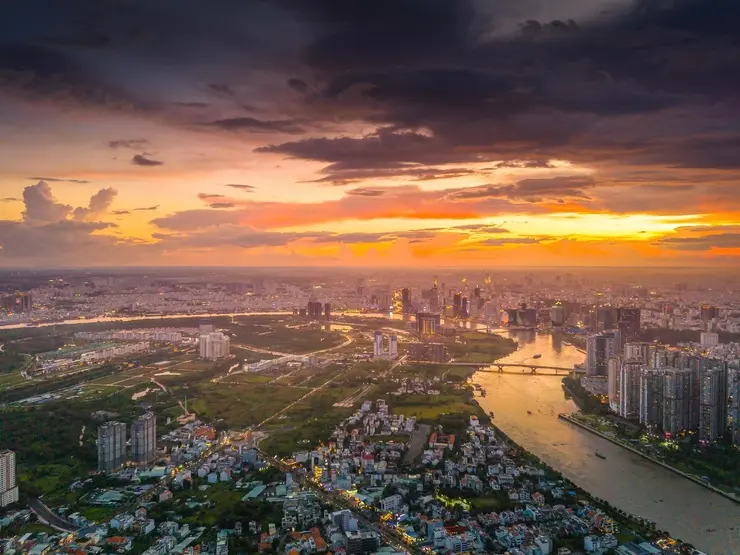
- Thu Thiem Bridge at sunset – Walk or cycle across the newest pedestrian bridge connecting District 1 to the developing Thu Thiem area. The sunset views over the Saigon River with the skyline behind you are breathtaking – and almost tourist-free.
- Take the metro for the experience – Even if you don’t need to go anywhere specific, riding the brand-new metro is an experience in itself. The Ben Thanh underground station features an impressive giant skylight with a height of 6m and a diameter of 21.6m, designed to look like a lotus flower. The area also displays artworks as highlights.
- Take a free walking tour – free walking tours are one of the best ways to get oriented in a new city. Just remember to tip your guide at the end!
- Book Street for rainy afternoons – When the tropical downpour hits (and it will), duck into the charming Book Street near Notre-Dame. Browse Vietnamese literature, sip coffee, and wait out the rain in the most pleasant way possible.
- Binh Tay Market over Bến Thành – If you actually want to buy things (not just look), Binh Tay in Chinatown has better prices, more authentic atmosphere, and way fewer tourist markups.
- The 2026 Ao Dai Festival – The 12th Ho Chi Minh City Ao Dai Festival 2026 takes place under the theme “Golden Threads – Weaving Aspirations,” from March 01 through March 31, 2026, at the President Ho Chi Minh Monument Park, Nguyen Hue Walking Street, Metro Line 1 stations, and across iconic landmarks throughout the city.
When to Visit
Weather
| Season | Months | What to Expect |
|---|---|---|
| Dry Season | Dec-Apr | Best time to visit – lower humidity, cooler nights (25-33°C). Peak tourist season, especially around Tet (Lunar New Year). |
| Transition | May | Getting hotter, first rains start. Still manageable for tourism. |
| Rainy Season | Jun-Nov | Daily afternoon downpours (1-2 hours), then sunshine returns. Temperatures 26-35°C. Hotel prices drop. The city is lush and green. |
The rainy season isn’t the deal-breaker you might think. Showers are dramatic but short – an hour of tropical rain, then blue skies again. Carry a poncho, embrace the rhythm, and enjoy the lower prices.
Events
Festivals in 2026
2026 is a key year, commemorating the 50th anniversary of the official renaming of Saigon. Expect larger-than-usual celebrations and special events throughout the year.
- Ho Chi Minh City Ao Dai Festival – March 1-31, 2026
- The 22nd Ho Chi Minh City Tourism Festival, themed “Vibrant Summer Fest,” takes place from April 2nd to April 5th, 2026, in Zone B, 23/9 Park.
- The 20th International Travel Expo Ho Chi Minh City (ITE HCMC 2026) is set to return from August 27th to 29th, 2026.
- Tet (Lunar New Year) – The city’s most important celebration. Flower markets, lion dances, fireworks, and the Tao Dan Park Tet Festival.
- Mid-Autumn Festival – Lantern parades, mooncakes, and children’s celebrations in Chinatown.
- National Day (September 2) – Fireworks over the Saigon River.
- Christmas & New Year – Fireworks shows around central HCMC, with main displays at Thu Thiem Bridge and near Landmark 81.
2026 Prices
Budget cheat sheet
| Item | Cost |
|---|---|
| Bowl of phở (street stall) | $1.60-$2.40 |
| Bánh mì sandwich | $0.60-$1 |
| Local restaurant meal | $2-$4 |
| Mid-range restaurant (2 people, 3 courses) | ~$18 |
| Bia Hoi (draft beer) | $0.40-$0.80 |
| Cappuccino at a café | $1.50-$3.50 |
| Motorbike rental (day) | $4-$6 |
| Grab ride across District 1 | $1-$3 |
| Metro ride | $0.30-$0.50 |
| Cu Chi Tunnels tour | $10-$25 |
| Mekong Delta day trip | $15-$40 |
| War Remnants Museum | $1.60 |
| Independence Palace | $2.60 |
| Saigon Skydeck | ~$8 |
| À Ố Show tickets | $25-$70 |
| Spa massage (1 hour) | $8-$20 |
| Cinema ticket | ~$4 |
| Gym (monthly) | $20-$40 |
| Dental cleaning | $30-$50 |
| Dental implant (per tooth) | $700-$1,700 |
| Cleaning lady (per hour) | $2-$3 |
Why They Stay
Why people come
Here’s the honest truth about Ho Chi Minh City: it’s loud. It’s hectic. The traffic will terrify you for the first 48 hours. The heat will hit you like opening an oven door. The sensory overload is real and relentless.
And then something shifts.
You start to hear the music in the chaos. The motorbike symphony becomes a rhythm you move with, not against. The street vendors calling out become familiar voices. The random acts of kindness from strangers – the woman who carries your groceries to your motorbike, the old man who corrects your Vietnamese with a patient smile, the kid who waves at you from behind a noodle stall – these moments add up into something that feels, against all odds, like home.
Whether you’re testing HCMC for three months or committing for years, this city offers space to grow, work remotely, and live well without the financial stress that haunts expats in pricier Asian hubs. Ho Chi Minh City, one of Vietnam’s most vibrant and culturally rich destinations, is embarking on a bold new tourism strategy for 2026. With a focus on high-end experiences and sustainable tourism, the city is set to boost its global standing as a premier travel hub in Southeast Asia.
This is a city that rewards the curious, the adventurous, and the open-hearted. It punishes the rigid and the easily frustrated. If you come with an open mind, a strong stomach, and a willingness to let a 10-million-person city rearrange your priorities, you’ll understand why so many people who came for a week are still here years later – sipping cà phê sữa đá on a plastic stool, watching the world’s most beautiful chaos unfold, and wondering why they ever lived any other way.
Ho Chi Minh City
Your next destination?
Whether you’re a first-time traveler looking for history and adventure, a foodie on a mission to eat everything, a digital nomad searching for Asia’s best value big city, a family wanting an affordable and exciting relocation, or someone who’s ready to save thousands on dental work – Saigon has something extraordinary waiting for you.
Ho Chi Minh City is waiting – with a motorbike symphony, a steaming bowl of phở, a sixty-cent bánh mì, and a skyline that’s reaching higher every day.
Welcome to Saigon. You’re going to love it here.
Last updated: March 2026. All prices are approximate and may vary by season and district. Always confirm current rates with service providers.
Are you living in Ho Chi Minh City already?
Drop your experience in the comments below – every update helps the community!