Time zone+7 UTC
Avg. temperature25°C
Best time to visitSpring, Autumn
Most popular
Points of view
Capital
Most captivating
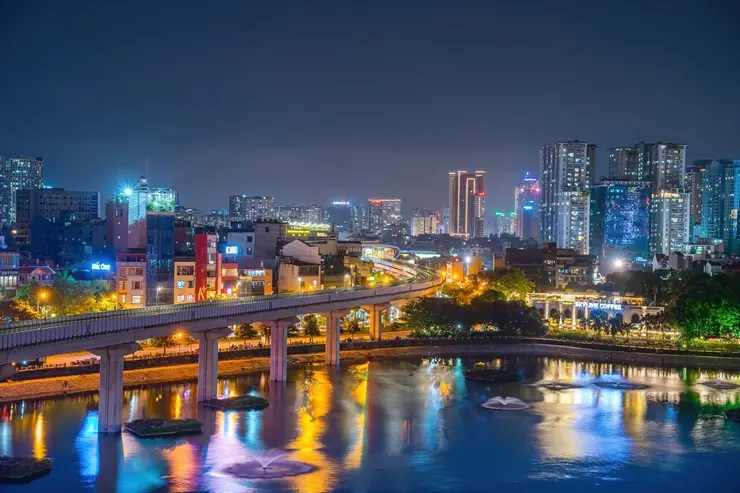
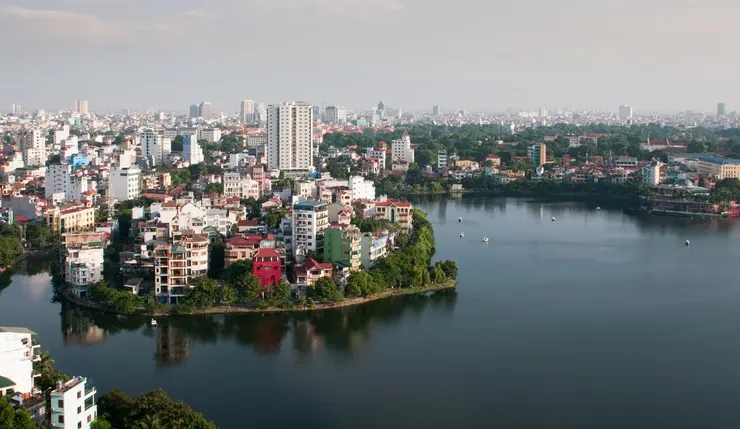
There’s a city in northern Vietnam that gets under your skin in ways you can’t quite explain. Despite centuries of French and Chinese influence, Hanoi is a city that’s wholly (and proudly) Vietnamese. Its layered history is everywhere you look – from the Old Quarter with its French colonial buildings to the more than 600 temples and pagodas around the city. And in 2026, this thousand-year-old capital is racing into the future without losing a single thread of its ancient soul.
Tripadvisor recently honored Hanoi with four global travel awards, recognizing the capital in the categories of top destinations, gastronomy, culture, and solo travel – showcasing its diverse appeal and growing prominence on the global tourism map. Hanoi’s appearance within the global media ecosystem of Condé Nast Traveler is expected to provide a significant boost to the city’s tourism appeal, helping attract high-end tourism services and encouraging higher spending by international visitors.
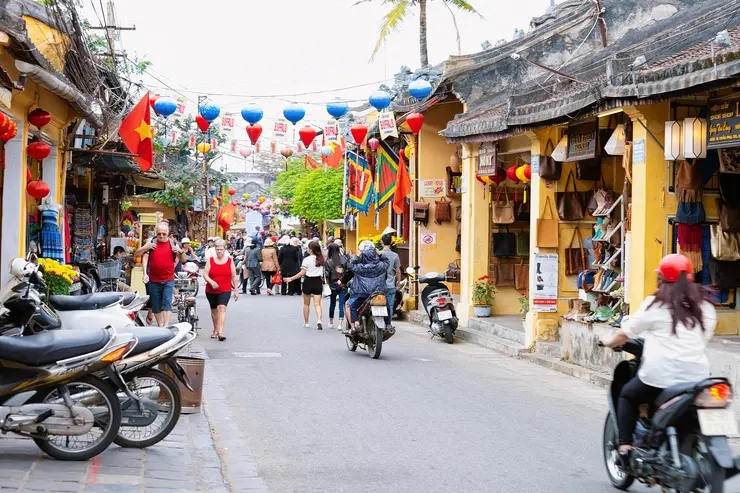
This isn’t some sanitized museum-piece capital. Hanoi is gloriously chaotic – motorbikes weaving through thousand-year-old streets, street vendors balancing bamboo poles loaded with steaming phở, ancient pagodas sitting in the shadow of modern skyscrapers, and the most extraordinary coffee culture you’ll find anywhere on Earth. As one Hanoian put it: “Hanoi may seem chaotic at first, but slow down and go with the flow – that’s when you’ll feel its charm and colonial nostalgia.”
Glance
Hanoi City
Hanoi is the capital and second most populous municipality of Vietnam. It encompasses an area of 3,358.6 km², and as of 2025 has a population of 8,807,523.
- Population (2026 est.): Projected at approximately 8.96 million. The actual figure including unregistered residents and migrant workers is believed to be significantly higher.
- Location: Northern Vietnam, on the right bank of the Red River, 1,720 km north of Ho Chi Minh City and 105 km west of Haiphong.
- Area: 3,328.9 square kilometers (approximately 1,292 square miles).
- Climate: Humid subtropical with four distinct seasons – a rare treat in Southeast Asia. Hot, humid summers (June-August), cool, dry winters (December-February), and pleasant transitional seasons.
- Best time to visit: October to December and March to April – comfortable temperatures, less humidity, and the city at its most photogenic.
Hanoi’s history is staggering. Around the third century BC, a fortified citadel, later named Cổ Loa, was constructed in what later is Hanoi, and is the first political center of Vietnamese civilization. The city has served as Vietnam’s capital for over a thousand years – a depth of history that reveals itself on every street corner, in every temple, and in every bowl of phở.
Here
Getting
By Air
Noi Bai International Airport (HAN) is the main gateway to northern Vietnam, handling direct flights from major cities across Asia, Europe, and Oceania – including Seoul, Tokyo, Singapore, Bangkok, London, Paris, Frankfurt, Sydney, and Doha. Domestic flights from Ho Chi Minh City, Da Nang, and Nha Trang are frequent, cheap, and only 1.5-2 hours long.
By Train
The Reunification Express from Ho Chi Minh City is one of Southeast Asia’s most legendary rail journeys – a winding, 1,726-km epic through coastal mountains and rice paddies. Sleeper berths run about $40-$60 for the 30+ hour ride. Shorter trips from Nha Trang (12 hours) or Da Nang (15 hours) are more manageable.
By Bus
Modern sleeper buses connect Hanoi to virtually all major cities in the north and central Vietnam – Sapa, Ninh Binh, Ha Long, and more. Tickets are absurdly affordable, often $8-$20.
Airport Transfers
The Old Quarter lies approximately 30 kilometers from Noi Bai International Airport. A taxi ride to the Old Quarter usually costs around 300,000 VND (~$12), depending on the exact destination and traffic conditions. Budget travelers can take Bus No. 86, a convenient airport shuttle that connects the airport with central Hanoi. The bus stops near Hanoi Railway Station and costs approximately 30,000 VND (~$1.20).
Where to Start
Your first day in Hanoi
Don’t try to conquer a thousand-year-old city in 24 hours. Hanoi demands surrender – let it reveal itself to you in its own time. Here’s how to spend your opening act:
Morning: Start your day in true Hanoi fashion: with a strong cup of coffee and a side of local charm. Take a guided experience through the Old Quarter’s hidden cafés, from vintage French villas to secret courtyard coffee shops tucked behind narrow lanes. Sip on Hanoi’s iconic egg coffee, sample coconut-infused brews, and learn how the locals turned coffee into an art form. Then wander down to Hoan Kiem Lake – the spiritual heart of the city.
Afternoon: Visit the Temple of Literature – Vietnam’s first university, founded in 1070. Then head to the Ho Chi Minh Mausoleum complex, including the Presidential Palace, Ho Chi Minh’s Stilt House, and the One Pillar Pagoda. If you still have energy, explore the French Quarter and its grand colonial architecture.
Evening: Take a stroll around Hoan Kiem Lake to encounter the famous red Húc Bridge, Ngọc Sơn Temple and iconic Turtle Tower. On weekends, the area around the lake is closed to vehicles and becomes a prime spot for people-watching. Do as the locals do and buy an ice-cream cone on Tràng Tiền Street. An evening walk around Hoàn Kiếm with an ice-cream in hand is an essential Hanoi experience.
Things to Do
Top attractions
🏮 The Old Quarter (36 Streets)
Few places capture the spirit of Vietnam’s capital quite like the Hanoi Old Quarter. With a history stretching back nearly a thousand years, this historic neighborhood remains the cultural heartbeat of the city. Narrow streets, centuries-old temples, bustling markets, and vibrant street food stalls together create an atmosphere that feels both timeless and alive. The 36 guild streets of the Old Quarter were named for 36 trades or crafts that set up in this area north of the lake, and created high-quality goods to supply the royals in the Thang Long Citadel. Hàng Bạc (Silver Street) still houses jewellery stores and money changers. Hàng Mã is where Hanoians go to buy religious goods and festival decorations. Hàng Gai, now known as Silk Street, trades in fabrics and custom-made suits and dresses. Lãn Ông is a fragrant street filled with traditional medicines and herbs.
This is the kind of place where you can spend three days and still discover something new on every corner. And if that’s not magic, nothing is.
🪷 Hoan Kiem Lake & Ngoc Son Temple
Hoan Kiem Lake lies at the heart of the Old Quarter and is associated with the legend of King Le Loi returning his magic sword to the Turtle God. The tree-lined paths surrounding the lake make it an ideal place for a peaceful morning or evening stroll. It is not only a symbol of Hanoi but also the “green lung” of the city, offering tranquility amid the bustling streets. Situated on Jade Island in the middle of Hoan Kiem Lake, Ngoc Son Temple was built to honor Tran Hung Dao, a national hero of Vietnam. The curved red-painted The Huc Bridge leading to the temple is one of the most recognizable icons of the Hanoi Old Quarter. Entrance is about 30,000 VND (~$1.20). Come early morning or at sunset – the light reflecting off the water is pure poetry.
📚 Temple of Literature (Văn Miếu)
Vietnam’s first national university, founded in 1070 during the Ly Dynasty. This is one of the finest examples of traditional Vietnamese architecture in the country – five courtyards, ornate gateways, stone steles listing the names of doctoral graduates dating back centuries, and serene reflecting pools surrounded by ancient trees. Entrance is 30,000 VND (~$1.20). Don’t rush through this one – every courtyard tells a different chapter of Vietnamese intellectual history.
🪦 Ho Chi Minh Mausoleum Complex
You can get right to the history of the city at sites like the Ho Chi Minh Mausoleum. The mausoleum houses the preserved body of Ho Chi Minh (“Uncle Ho”), the revolutionary leader who founded modern Vietnam. The surrounding complex includes the Presidential Palace, Ho Chi Minh’s modest wooden Stilt House, the One Pillar Pagoda, and the Ho Chi Minh Museum. Free admission to the mausoleum (closed Mondays, Fridays, and during October-November maintenance). Dress modestly – shoulders and knees covered.
🏯 Imperial Citadel of Thang Long
A UNESCO World Heritage Site, this ancient citadel was the center of political power for over a millennium. The excavated archaeological site reveals layer upon layer of Vietnamese history – from the 7th century through the French colonial period. Entrance is 30,000 VND.
🏛️ Hoa Lo Prison (“Hanoi Hilton”)
Originally built by the French in 1896 to hold Vietnamese political prisoners, and later used to house American POWs during the Vietnam War (who ironically nicknamed it the “Hanoi Hilton”). The museum offers a powerful, sometimes harrowing look at Vietnam’s struggle for independence. Entrance is 30,000 VND (~$1.20). This is one of Hanoi’s most emotionally impactful sites.
🚂 Train Street
Hanoi Train Street is the latest and greatest tourist attraction in Hanoi and a top thing to do in the Old Quarter. The train passes through two rows of houses split by the train tracks. It quickly became the go-to photo spot in the Old Quarter. Grab a coffee from one of the tiny shops lining the tracks, wait for the horn, and watch as the train rumbles through – sometimes just inches from the doorsteps. Check current opening status before visiting, as access has been periodically restricted for safety reasons.
🎭 Thang Long Water Puppet Theatre
A uniquely Vietnamese art form originating in the Red River Delta, where puppeteers stand waist-deep in water behind a bamboo screen, manipulating lacquered wooden puppets that dance, fight, and tell ancient legends on the water’s surface. Shows happen nightly at the theater beside Hoan Kiem Lake, with tickets running about 100,000-200,000 VND ($4-$8). It’s mesmerizing for both children and adults.
⛪ St. Joseph’s Cathedral
Standing proudly since 1886, St. Joseph Cathedral is a reminder of French colonial presence in Vietnam. From street level, the cathedral’s bold, neo-gothic motifs create a powerful impression above the surrounding houses and streets. The surrounding streets are now Hanoi’s café district – grab an egg coffee and people-watch from one of the many terrace seats. Free entry.
🌊 West Lake (Hồ Tây) & Tran Quoc Pagoda
Hanoi’s largest lake (about 17 km circumference) is the city’s breathing space – a vast expanse of water rimmed with pagodas, cafes, restaurants, and luxury hotels. Tran Quoc Pagoda, Vietnam’s oldest temple, sits on a small peninsula jutting into the lake, dating back to the 6th century. It’s one of the most photographed spots in all of Hanoi – especially at golden hour, when the multi-tiered pagoda reflects perfectly in the still water.
🏛️ Vietnam Museum of Ethnology
One of the finest museums in Southeast Asia, dedicated to the 54 officially recognized ethnic groups of Vietnam. Indoor galleries display costumes, tools, and artifacts, while the sprawling outdoor section features full-scale reconstructions of traditional houses and longhouses. Allow 2-3 hours. Entrance is 40,000 VND.
🏛️ Vietnamese Women’s Museum
A beautifully curated museum celebrating the extraordinary role of Vietnamese women throughout history – from market traders to war heroines. Four floors of immersive exhibits, many with interactive displays and personal stories. Entrance is 30,000 VND.
🛍️ Dong Xuan Market
Dong Xuan Market is the largest and one of the oldest traditional markets in the Old Quarter. Inside its vast halls, visitors can find everything from textiles and household goods to street snacks and local specialties. Bargaining is expected – start at about 50% of the asking price. The surrounding streets are equally fascinating for market lovers.
🎭 Hanoi Opera House
A stunning French colonial-era building modeled after the Palais Garnier in Paris, completed in 1911. The exterior is worth a visit in its own right, especially lit up at night. Inside, regular performances of Vietnamese and international music, dance, and theater take place. Check the schedule and book tickets in advance for the best shows.
destinations
Day trips
One of Hanoi’s greatest strengths is its strategic position as a gateway to some of Vietnam’s most breathtaking destinations. There’s easy access to key northern tourist spots like Ha Long Bay, Ninh Binh, and Sa Pa.
- Ha Long Bay (~170 km east) – A 2.5-hour drive. Thousands of limestone islands rise from emerald waters. UNESCO calls it a “natural wonder of the world.” Overnight cruises on traditional junks start from $80-$150 per person and are worth every penny. This is a bucket-list experience.
- Ninh Binh / Tam Coc / Trang An (~95 km south) – Often called “Ha Long Bay on land.” Karst mountains, rice paddies, river boat rides, and ancient temples. Full-day tours from $25-$40 per person.
- Sapa (~310 km northwest) – Terraced rice paddies cascading down misty mountain slopes, home to Hmong, Dao, and other ethnic minority communities. Overnight train or 5-hour bus ride. Best as a 2-day trip.
- Mai Chau (~140 km southwest) – A stunning valley of green rice paddies and stilt houses, home to the White Thai ethnic group. Homestays are the way to go – cultural immersion at its finest.
- Perfume Pagoda (~70 km south) – A complex of Buddhist temples and shrines nestled in the Huong Son mountains. Reached by a scenic boat ride along a stream surrounded by limestone cliffs.
- Bat Trang Pottery Village (~15 km southeast) – An ancient ceramic-making village where you can try your hand at the pottery wheel and buy handmade souvenirs.
Food
What to eat & where
If you’re coming just for the food, you’re not alone. Banh mi and bun cha are obviously musts, but save room for other street food faves: crispy crepes, stir-fried eel, shrimp cakes, and a few frosty beers to wash it all down.
Hanoi’s food scene isn’t just good – it’s legendary. This is the city that gave the world phở, where egg coffee was invented, and where celebrity chef Anthony Bourdain and President Barack Obama famously shared a meal at a tiny bún chả spot in the Old Quarter. And the best part? The very best food is almost always the cheapest.
Must-try dishes:
- Phở – Vietnam’s signature noodle soup. Beef (phở bò) or chicken (phở gà) broth simmered for hours, poured over silky rice noodles with fresh herbs and a squeeze of lime. A bowl at a local stall costs 40,000-60,000 VND ($1.60-$2.40). Hanoi’s phở is lighter and more delicate than the southern version.
- Bún Chả – Grilled pork patties and sliced pork belly served with rice noodles, fresh herbs, and a tangy fish sauce dipping broth. The signature Hanoi lunch. About 40,000-60,000 VND.
- Egg Coffee (Cà Phê Trứng) – Egg coffee is amazing – a rich, creamy concoction of whipped egg yolk, sugar, condensed milk, and strong Vietnamese coffee. It sounds strange but tastes like tiramisu in a cup. About 30,000-50,000 VND. Invented in Hanoi in the 1940s and now a global phenomenon.
- Bánh Mì – The world’s greatest sandwich. Crusty baguette, pâté, pickled vegetables, cilantro, chili, and your protein of choice. From 15,000 VND (~$0.60). Banh Mi 25 is a legendary spot in the Old Quarter – it became so famous that it’s now also a tourist attraction.
- Bún Bò Nam Bộ – Stir-fried beef on rice noodles with crispy shallots, peanuts, and fresh herbs. A dry noodle dish unique to the north.
- Bánh Cuốn – Steamed rice flour rolls filled with minced pork and wood ear mushroom, served with fried shallots and a dipping sauce. A breakfast staple.
- Chả Cá Lã Vọng – Turmeric-marinated fish sizzled tableside in a pan with dill and spring onions. So iconic that an entire street in the Old Quarter is named after it (Chả Cá Street).
- Bia Hơi – Hanoi’s famous fresh draft beer, brewed daily and served for as little as 5,000-10,000 VND per glass ($0.20-$0.40). The Bia Hoi Corner (junction of Ta Hien and Luong Ngoc Quyen streets) is the epicenter of Hanoi’s street drinking culture.
Dining prices:
Prices for coffee, juice, smoothies, and food are insanely affordable. A full local meal runs $1.50-$3. A mid-range restaurant dinner for two costs about $15-$25. Western-style restaurants are pricier but still far cheaper than back home.
Where to eat:
- Old Quarter alleyways – Every narrow lane hides a family-run stall that’s been perfecting one dish for decades.
- Ta Hien Street is famous for its lively atmosphere – the unofficial Bia Hoi hub and backpacker food paradise.
- Dong Xuan Market is an excellent place to discover authentic northern Vietnamese flavors.
- Tong Duy Tan Street – A food street near the Old Quarter with barbecued meats and noodle shops.
Accommodation
Hotels, apartments & long-term rentals
Hotels (per night):
Hanoi’s accommodation covers the full spectrum – from $5 hostel dorms in the Old Quarter to $500+ suites at the legendary Sofitel Legend Metropole. Note: many hotel rooms in the Old Quarter come without windows (narrow houses, closely together), so make sure to check when booking.
- Budget: Clean hostels and guesthouses for $8-$20/night.
- Mid-range: Boutique hotels with rooftop pools, breakfast, and spa: $40-$100/night.
- Luxury: The Sofitel Legend Metropole (Hanoi’s landmark since 1901), InterContinental, JW Marriott: $150-$500+/night.
Long-term apartment rentals (monthly):
This is where Hanoi becomes irresistible for digital nomads and expats.
In central Hanoi, monthly rent for a one-bedroom apartment typically ranges from VND 10,000,000 to VND 14,000,000 (USD 400-550). Local people live in rooms that cost 2 or 3 million VND tops, but they are very basic. For something with your own kitchen, bed, and TV, expect to pay about 4.5 million VND plus bills – around 5 million total per month (~$200).
Neighborhood breakdown:
- Tay Ho (West Lake): Sits north of central Hanoi and feels noticeably different from the Old Quarter. Streets are wider, the pace is slower, and the lake is a key part of daily life. The neighbourhood has a strong international presence, with expats, long-stay travellers, and digital nomads. Cafés, bakeries, bars, and restaurants lean international. This is Hanoi’s premier expat neighborhood.
- French Quarter: Lies just south of Hoan Kiem Lake and feels polished and orderly. Colonial architecture, quieter streets, and a more refined dining scene make it a good fit for travellers who want a central base without the chaos.
- Old Quarter: Maximum immersion in Hanoi’s soul. Noisier, more chaotic, but endlessly exciting. Best for short stays and first-timers.
- Dong Da: Great for street food and student life. Ba Dinh or southern Tran Hung Dao Street offer a more authentic Hanoi feel.
- Cau Giay / My Dinh: More residential, modern, and affordable. Good for families and those who want Vietnamese daily life without the tourist overlay.
Transport
Transportation inside the City
Getting around Hanoi is an adventure in itself. The traffic looks terrifying at first – a sea of motorbikes flowing in every direction – but there’s a beautiful logic to the chaos once you find your rhythm.
The Metro (Operational!)
The Hanoi Metro is a rapid transit system in Hanoi, the capital city of Vietnam. Owned by Hanoi’s People Committee and operated by Hanoi Metro Company (HMC), it is the first operational rapid transit system in Vietnam. The first line, Line 2A, opened to service on 6 November 2021. The first section of the second line, Line 3, opened on 8 August 2024. The operation of the metro and cultural train not only eases traffic congestion but also opens new opportunities to explore Hanoi in a modern, eco-friendly way. Metro Line 3 (Nhon-Ha Dong) is nearing completion, while Line 2 (Nam Thang Long-Tran Hung Dao) and Line 5 (Van Cao-Hoa Lac) began construction in 2025. To buy QR single journey tickets, passengers must buy at the counter or in the Hanoi Metro App.
Motorbike
The most popular (and exhilarating) way to explore. Rental costs about 100,000-150,000 VND/day ($4-$6) or $40-$70/month for long-term. Hanoi traffic is intense but becomes second nature within a week. Always wear a helmet.
Taxis & Ride-Hailing
Public transport is very affordable: VND 7,800-9,000 (USD 0.30-0.40) per ride; taxis start at VND 18,000-20,000 (USD 0.70-0.80) per kilometer. Grab and Xanh SM are the go-to apps – upfront pricing, no haggling. XANH SM is Vietnam’s first electric taxi company. Customers not only receive an excellent standard of service, but they also join in efforts to reduce vehicle emissions.
Cyclo
Once the main form of transport in Hanoi, cyclos move at the perfect pace for you to take in interesting street scenes without having to worry about traffic and navigation. Agree on the price before you climb in – a 30-minute tour of the Old Quarter should cost about 100,000-150,000 VND.
Bus
Over 100 routes covering the city. Fares are about 7,000-9,000 VND ($0.28-$0.36). The number 86 airport shuttle bus is a lifesaver at only 30,000 VND.
Full Breakdown
Cost of living
This is the section that makes people start mentally composing their resignation letters.
The cost of living in Hanoi is low. A single person costs $749 per month. A family costs $1,660 per month. A single traveler costs $1,090 per month. Monthly rent costs $368 per month. Even in Hanoi, a couple can enjoy a comfortable, middle-class lifestyle for less than $1,300 per month. Many Westerners who live in Hanoi get by spending around $500 per month, but it’s a no-frills lifestyle.
Here’s a realistic monthly budget breakdown for a solo person living comfortably:
| Category | Estimated Monthly Cost |
|---|---|
| Apartment (1BR, furnished, central) | $400-$550 |
| Utilities (electricity, water, AC) | $50-$130 |
| Internet (fiber optic) | $10-$17 |
| Mobile plan (data) | $3-$8 |
| Food (mix of street food + restaurants) | $150-$300 |
| Motorbike rental + gas | $50-$80 |
| Gym membership | $20-$40 |
| Entertainment + miscellaneous | $100-$200 |
| TOTAL | $800-$1,350 |
As one expat noted: “Here with $1,000 I live a simple comfortable life.” Compared to other Southeast Asian countries like Thailand or Malaysia, Vietnam remains one of the most cost-effective places to live and explore.
Some specific prices to know:
- Vietnamese iced coffee: 15,000-30,000 VND ($0.60-$1.20)
- Egg coffee at a café: 30,000-50,000 VND ($1.20-$2)
- A full phở breakfast: 40,000-60,000 VND ($1.60-$2.40)
- A draft Bia Hoi: 5,000-10,000 VND ($0.20-$0.40)
- Haircut: 30,000-80,000 VND ($1.20-$3.20)
- Monthly utilities (electricity, water, gas) cost between VND 1,500,000-3,000,000 (USD 65-130).
- Cleaning lady: $2-$3/hour
World-Class Care
Dental tourism
Hanoi is one of Vietnam’s top dental tourism destinations, with clinics concentrated in the central districts. Vietnam’s medical tourism sector was valued at USD 2.5 billion in 2025 and is projected to reach USD 4 billion by 2033.
Patients save 60-80% compared to Western prices while receiving care from internationally trained dentists using modern technology.
Typical dental prices in Hanoi (2026):
- Dental implants: $700-$1,500 per tooth (vs. $3,000-$6,000 in the US)
- Porcelain veneers: $250-$400 per tooth
- Teeth whitening: $100-$200
- Dental cleaning: ~$30-$50
- All-on-4 full mouth implants: $4,000-$7,500 (vs. $25,000-$30,000 in the US)
Hong Ngoc General Hospital is increasingly becoming a trusted choice for international patients seeking high-quality medical care in Hanoi. Multiple international-standard dental clinics operate in the Hoan Kiem and Ba Dinh districts.
Healthcare
Insurance
Hanoi offers a wide range of healthcare facilities – from inexpensive public hospitals to international-standard private clinics like Vinmec International Hospital, French Hospital Hanoi, and Hong Ngoc General Hospital. A general practitioner visit at a private clinic costs about $20-$50.
Health insurance for expats runs $50-$200/month depending on coverage level. For long-term visitors, international health insurance (SafetyWing, PassportCard, Cigna) is strongly recommended for emergency situations and evacuation coverage.
Medications are widely available at pharmacies and are remarkably affordable – many prescriptions cost under $5.
Violent
Safety
Hanoi is generally very safe for travelers. Violent crime against foreigners is extremely rare. However, petty theft and scams do exist, particularly in tourist-heavy areas.
Practical safety tips:
- Be prepared for how “cash only” heavy Hanoi is – even higher-end cocktail lounges may not accept cards. Carry enough cash for the day (1-2 million VND), but don’t flash large amounts.
- Bag snatching from motorbikes is the most common crime against tourists – carry your bag on the side away from traffic.
- Use Grab or Xanh SM for rides – fares are set in advance, no negotiating.
- Crossing the street: Walk at a steady, predictable pace and the motorbikes will flow around you. Don’t stop, don’t run, don’t hesitate. Trust the process – it works.
- Lock your ATM card via your bank’s mobile app and only unlock it when withdrawing.
- Always confirm taxi/cyclo prices before starting a journey.
famous
Nightlife
Hanoi’s nightlife is surprisingly vibrant – and refreshingly unpretentious.
Key nightlife zones:
- Ta Hien Street – Often referred to as the nightlife hub of the Old Quarter, famous for its lively atmosphere. Tiny plastic stools, cheap Bia Hoi, and an electric energy that starts at sundown and goes late.
- Bui Vien-style beer street – The Old Quarter’s backpacker strip with bars, live music, and all-night energy.
- Tay Ho (West Lake) – A more sophisticated scene with rooftop bars, lakeside cocktail lounges, and live music venues favored by expats.
- Hanoi Rock City – The city’s legendary live music venue for alternative, indie, and rock acts.
- Duy Tan for a business vibe. For shopping malls, head to Vincom, Lotte, or IPH.
A glass of Bia Hoi at a sidewalk stall starts at $0.20. A craft cocktail at a rooftop bar runs about $5-$8. The range is enormous, and both ends are wonderful.
Digital Nomad
Expat life
The cost of living is very low, with cheap food, drinks, and accommodation. The city caters well to digital nomads, with plenty of laptop-friendly cafes and solid internet.
Where to base yourself:
Tay Ho and Ba Dinh are commonly recommended neighborhoods depending on whether you want a local or expat feel.
- Tay Ho suits travellers who want space, consistency, and a slower rhythm while still staying connected to Hanoi. It works well as a base for longer stays, remote work, and anyone who prefers breathing room over intensity.
- Ba Dinh – Close to the political center, quieter, more local character. Authentic Hanoi living.
- Old Quarter / Hoan Kiem – Maximum immersion but noisier. Best for short stays.
- Dong Da District: Hanoi’s cultural brain. You’ll find the Temple of Literature (Vietnam’s first university) and Hanoi National University. Great for the intellectually curious.
Coworking & cafes:
Hanoi’s coffee culture is phenomenal. You will never – and this is a guarantee – be more than a 2-minute walk from an excellent café with good Wi-Fi, air conditioning, and great coffee. Coworking spaces are plentiful and affordable, typically $50-$100/month for a dedicated desk.
The expat community:
The main expat area is in Tay Ho district, around Xuan Dieu Street. Facebook groups, sports clubs, language exchanges, and social meetups happen constantly. Whether you’re into running, yoga, craft beer, or Buddhist meditation – there’s a community for that. Check out groups like “Hanoi Massive” on Facebook to find events and connect.
Visa:
Most Western nationalities get 45-day visa-free entry. For longer stays, the e-Visa costs $25 (single entry) or $50 (multiple entry), valid for up to 90 days.
A Rare Gift
Hanoi’s four seasons
Unlike most of Southeast Asia, Hanoi actually has four distinct seasons – and each one transforms the city completely.
| Season | Months | What to Expect |
|---|---|---|
| Spring | Feb-Apr | Drizzly but beautiful. Flowers bloom, temperatures 15-25°C. Tet (Lunar New Year) festivities. |
| Summer | May-Aug | Hot and humid, 30-38°C. Afternoon thunderstorms cool things down. The city is lush and green. |
| Autumn | Sep-Nov | Best time. Clear skies, 20-30°C, golden light, low humidity. The “season of Hanoi” – when the city is at its most photogenic. |
| Winter | Dec-Jan | Cool and sometimes cold, 10-18°C. Rare for Southeast Asia. Pack a jacket. Fewer tourists, great deals. |
Autumn in Hanoi is genuinely magical – the air is crisp, the light is golden, and the streets are carpeted with falling leaves. If you can time your visit for October or November, do it.
Events
Festivals in 2026
The Hanoi Tourism Festival 2026 kicked off in March at Thong Nhat Park, embracing the theme “Green Tourism – Digital Experience,” marking a significant step toward integrating eco-friendly travel practices and digital advancements.
- VITM Hanoi 2026 – Vietnam International Travel Mart, April 9-12 at the ICE Hanoi International Exhibition Center, with approximately 450 booths and over 600 participating businesses.
- Tet (Lunar New Year) – The biggest celebration of the year. Flower markets, lion dances, fireworks, and the entire city dressed in red and gold. Peach blossom season transforms every street.
- Mid-Autumn Festival – Lantern parades, mooncakes, and children’s celebrations, especially magical on the streets of Hang Ma.
- Hanoi International Marathon – Drawing thousands of domestic and international runners through the city’s most scenic routes.
- National Day (September 2) – Fireworks, military parades, and celebrations at Ba Dinh Square.
- Hanoi is exploring new ways to integrate technology into traditional experiences – virtual reality tours, interactive exhibits, and enhanced mobile apps for visitors are just a few of the digital tools being introduced.
Secret Spots
Insider tips
- Egg Coffee at Café Giang – The original egg coffee was invented here in the 1940s. The café is hidden up a narrow alley near Hoan Kiem Lake, and the experience of sipping this creamy concoction in a tiny, packed room is quintessentially Hanoi.
- Hidden Gem Coffee – Found in one of Hanoi’s narrow streets, the creative owner transformed trash into treasure by creating unique furniture and decorative pieces. A perfect quirky café find.
- Long Bien Bridge at dawn – Walk or cycle across this century-old French-era cantilever bridge at sunrise. The views over the Red River with fishermen and banana-boat vendors below are extraordinary – and almost tourist-free at 5:30 AM.
- Hoan Kiem Lake on weekends – On weekends the area is closed to vehicles and becomes a prime spot for people-watching as young and old Hanoians come together to enjoy entertainment and exercise in the open air. Live music, breakdancers, families, and sheer joy.
- Ma May Ancient House (87 Ma May Street) – The restored house recreates the living environment of a merchant family from centuries ago, allowing visitors to better understand the cultural life of old Hanoi. Easy to miss, easy to love.
- Take the airport bus, not a taxi – The #86 airport shuttle bus costs just 30,000 VND ($1.20) compared to 300,000 VND for a taxi. It’s air-conditioned, runs frequently, and drops you right near the Old Quarter.
- Hang Ma Street during festivals – The street becomes especially colorful during Tet, the Mid-Autumn Festival, and Christmas, when lanterns and decorations fill the entire neighborhood.
- West Lake cycling loop – Rent a bicycle and ride the full 17-km loop around West Lake. Stop at Tran Quoc Pagoda, grab a coffee with a lake view, and experience Hanoi at its most peaceful.
- Duong Lam Ancient Village – About 60 km from central Hanoi, this is one of the few remaining ancient villages with traditional laterite houses. Almost no foreign tourists – a genuine step back in time.
- Green spaces – Eco-tourism destinations around the capital such as Ba Vi, Soc Son, My Duc, Dong Mo, and the ancient village of Duong Lam offer wonderful escapes from the urban core.
2026 Prices
Budget cheat sheet
| Item | Cost |
|---|---|
| Bowl of phở (street stall) | $1.60-$2.40 |
| Bún chả lunch | $1.60-$2.40 |
| Bánh mì sandwich | $0.60-$1 |
| Egg coffee at a café | $1.20-$2 |
| Bia Hoi (draft beer) | $0.20-$0.40 |
| Craft beer | $2-$4 |
| Local restaurant meal | $2-$4 |
| Mid-range dinner (2 people) | $15-$25 |
| Motorbike rental (day) | $4-$6 |
| Grab ride across city | $1-$4 |
| Metro ride | $0.30-$0.50 |
| Bus ticket | $0.28-$0.36 |
| Airport bus (#86) | $1.20 |
| Airport taxi | ~$12 |
| Water puppet show | $4-$8 |
| Temple of Literature entry | $1.20 |
| Hoa Lo Prison entry | $1.20 |
| Vietnam Museum of Ethnology | $1.60 |
| Spa massage (1 hour) | $8-$20 |
| Cinema ticket | ~$4 |
| Gym (monthly) | $20-$40 |
| Dental cleaning | $30-$50 |
| Dental implant (per tooth) | $700-$1,500 |
| Ha Long Bay overnight cruise | $80-$150+ |
| Ninh Binh day trip | $25-$40 |
Why They Stay
Why people come
Here’s the honest truth about Hanoi: it’s not easy at first. The traffic, the noise, the occasional overwhelming sensory assault, the garbage on the sidewalks, and the chaotic traffic – it’s all real. You may not be prepared for how cash-only everything is. The learning curve exists.
And then something shifts. Something profound.
As one expat who lived in Hanoi for three months described: “I really loved it. Hanoi has a big foreigner district called Tay Ho, but I preferred to stay elsewhere. The charm of the city comes from the people. Vietnamese are aggressively kind and way too friendly.”
You start to see the poetry in the chaos. The grandmother ladling phở at 6 AM from a cart she’s pushed to the same spot for forty years. The children playing badminton across the power lines. The incense drifting from a pagoda that’s been standing since before Europe had universities. The egg coffee that somehow tastes like love. The lake at sunset, shimmering gold, while an old man plays the đàn bầu (monochord) on a bench.
A trip to the Old Quarter will let you truly feel the soul of the capital, where traditional values coexist beautifully with modern life. The Hanoi Tourism Festival 2026 sets the stage for an exciting year ahead, as the city continues to enhance its position as a premier destination in Southeast Asia. By embracing green practices, digital innovation, and cultural richness, Hanoi is poised to attract more international visitors.
Hanoi isn’t a city that gives itself away easily. It demands patience, curiosity, and an open heart. But for those willing to meet it halfway, it gives back more than you could ever imagine – in history, in beauty, in flavor, and in the kind of human warmth that makes you wonder why you ever called anywhere else home.
Hanoi
Your next destination?
Whether you’re a history buff craving a thousand years of stories, a foodie on a mission to eat everything, a digital nomad searching for Asia’s most inspiring capital, a family wanting an affordable and culturally rich relocation, or someone who’s ready to save thousands on dental work – Hanoi has something extraordinary waiting for you.
Hanoi is waiting – with a thousand years of history, a twenty-cent beer, an egg coffee that tastes like a dream, and a chaos so beautiful it feels like music.
Welcome to the capital. You’re going to fall in love.
Last updated: March 2026. All prices are approximate and may vary by season and district. Always confirm current rates with service providers.
Are you living in Hanoi already?
Drop your experience in the comments below – every update helps the community!