Time zone+4 UTC
Avg. temperature30°C
Best time to visitSpring
Most popular
Points of view
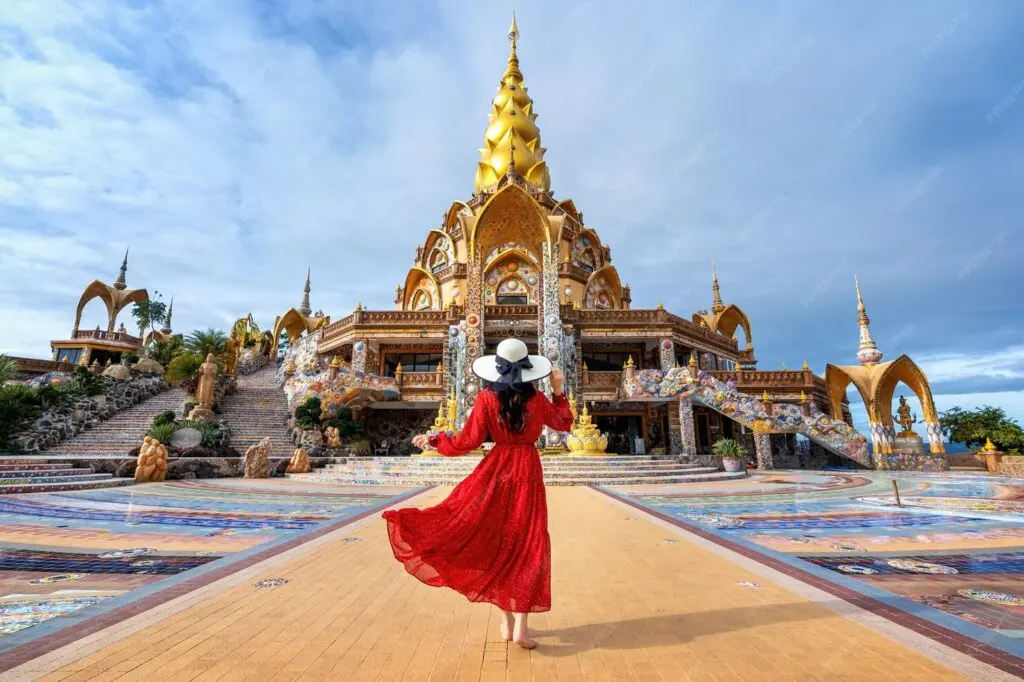
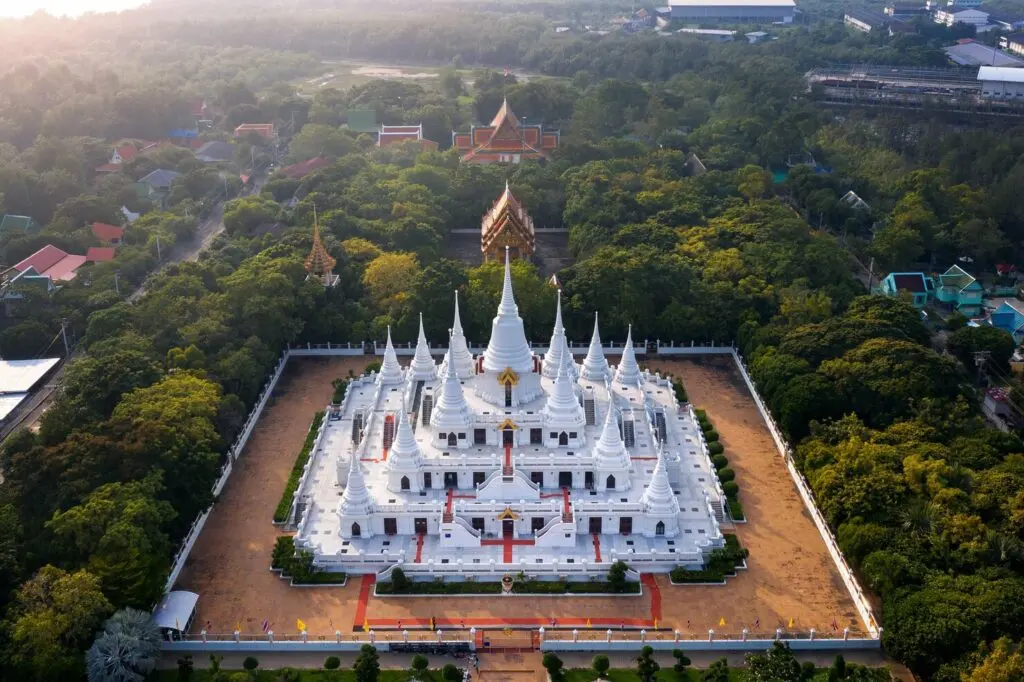
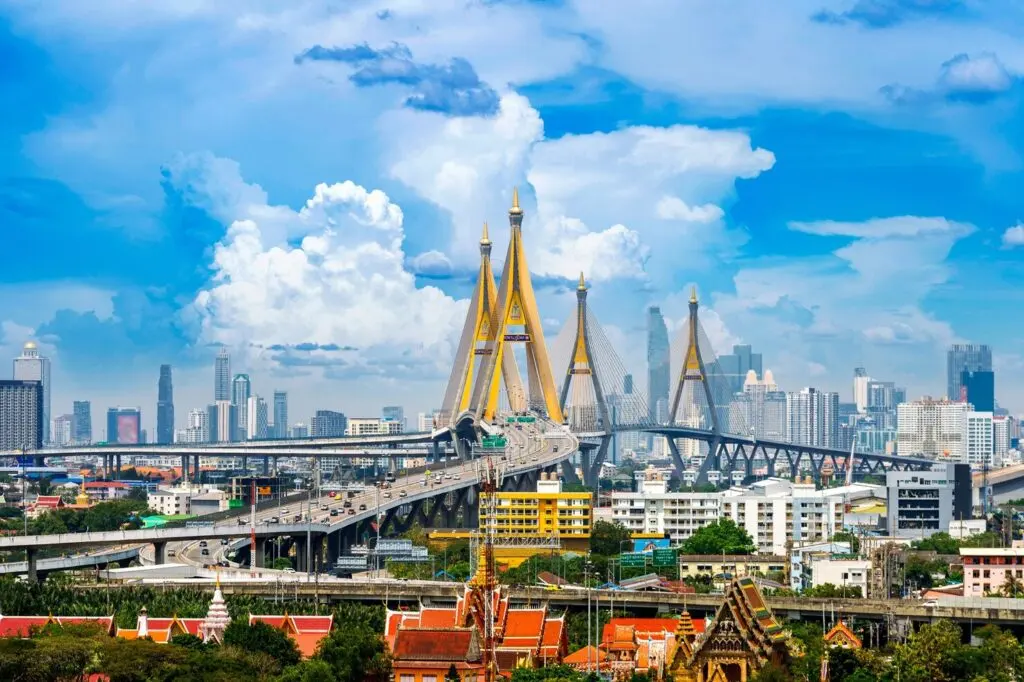
Bangkok
Most thrilling city
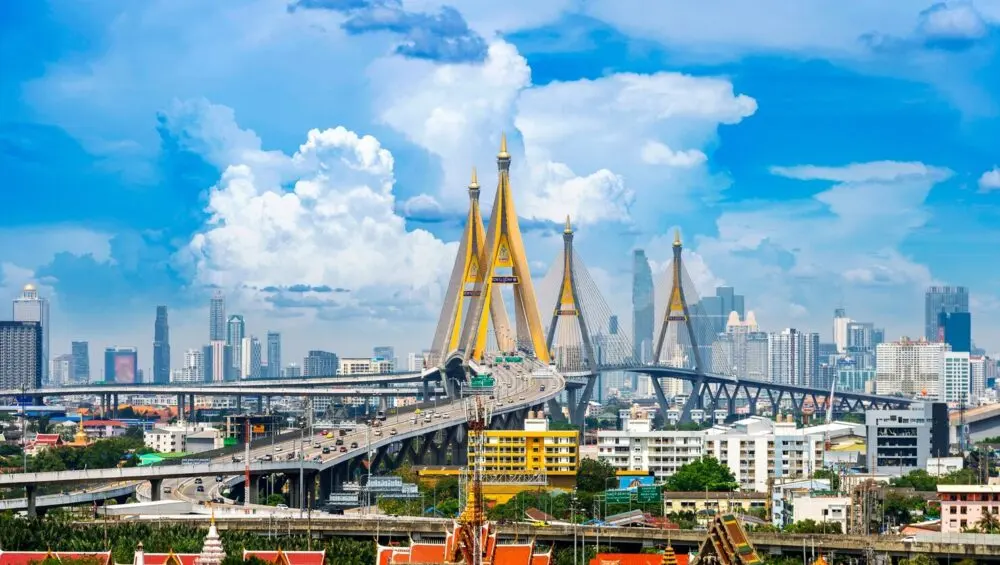
There is a city in Southeast Asia where a tuk-tuk driver will take you to a golden temple at sunrise, a street vendor will sell you the best noodle soup of your life for a dollar, and by midnight you’ll be sipping cocktails on a rooftop bar sixty stories above it all. That city is Bangkok – and in 2026, it is still, undeniably, the most electrifying urban experience on Earth.
Euromonitor International ranked Bangkok as the number one most visited city in the world in 2024, welcoming 32.4 million international arrivals. Not Paris. Not London. Not New York. Bangkok. Mastercard’s Global Destination Cities Index also placed Bangkok at the top spot, with over 22 million overnight visitors, highlighting its sustained global appeal. Bangkok has also been named “World’s Best City” by Travel + Leisure magazine’s survey of its readers for four consecutive years.
And yet – this city somehow remains underestimated. People arrive expecting temples and traffic, and they leave changed. The temples are extraordinary, yes. The traffic is legendary, also yes. But what nobody tells you is the warmth of the people, the staggering depth of the street food culture, the sheer variety of experiences packed into every single neighborhood, and the intoxicating rhythm of a city that genuinely never sleeps.
Thailand’s tourism industry is showing strong resilience and adaptability. With strategic government initiatives, a welcoming environment for international visitors, and a focus on high-value travelers, the Kingdom is well-positioned for continued growth throughout 2026. Bangkok leads that charge.
Glance
Bangkok
Bangkok, officially known as Krung Thep Maha Nakhon, is the largest city in Thailand and one of the most populous cities in Southeast Asia. Its full ceremonial name – Krung Thep Mahanakhon Amon Rattanakosin Mahinthara Ayuthaya Mahadilok Phop Noppharat Ratchathani Burirom Udomratchaniwet Mahasathan Amon Piman Awatan Sathit Sakkathattiya Witsanukam Prasit – is literally the longest place name in the world. Locals just say “Krung Thep” (City of Angels).
- Population (2026 est.): a single person costs $1,171 per month – but the city is home to approximately 11-12 million in the metropolitan area, making it one of the most densely populated urban centers in Asia.
- Location: Central Thailand, on the Chao Phraya River delta, about 40 km from the Gulf of Thailand.
- Area: approximately 1,569 square kilometers.
- Climate: Tropical – hot and humid year-round, with three seasons: cool (November-February), hot (March-May), and rainy (June-October).
- Best time to visit: November to February – cooler weather, less humidity, and the city is at its most beautiful and manageable.
- Currency: Thai Baht (THB). Approximately 35-36 THB = 1 USD (2026 rates).
Bangkok has been the capital of Thailand since 1782. Bangkok, the centre of the Bangkok Metropolitan Area, has been the capital of Thailand since 1782, when the seat of government was moved across the Chao Phraya River. More than 240 years of royal history, temple construction, colonial tension, and modern reinvention – all visible in a single afternoon walk from the Grand Palace to the Chao Phraya riverside.
Here
Getting
By Air
Bangkok has two international airports. Suvarnabhumi Airport (BKK) handles the majority of international flights and is connected to central Bangkok by the Airport Rail Link – a fast, air-conditioned train that reaches the city center in about 30 minutes for just 45 THB (~$1.25). Don Mueang Airport (DMK) handles most budget and domestic carriers – it’s further from the city but equally well-served by taxis and buses.
Major entry points such as Bangkok’s Suvarnabhumi Airport and key land borders have recorded steady inflows of travelers from regions including Europe and South Asia. Direct flights connect Bangkok to virtually every major city in the world – London, Paris, Frankfurt, Sydney, Los Angeles, Seoul, Tokyo, Beijing, Mumbai, Dubai, and dozens more.
By Train
Thailand’s train network connects Bangkok’s Hua Lamphong and Bang Sue Grand Station to Chiang Mai (10-13 hours), Nakhon Ratchasima, and southward to Malaysia and Singapore. The trains are charming, affordable, and offer an atmospheric way to arrive.
Airport Transfers
A metered taxi from Suvarnabhumi to central Bangkok costs about 250-400 THB ($7-11) plus a 50 THB expressway toll. The Airport Rail Link City Line costs just 45 THB and is the fastest option. Grab rides are available from the designated pickup zones and offer upfront pricing.
Where to Start
Your first day in Bangkok
Bangkok is enormous and can feel overwhelming on day one. Resist the urge to see everything. Here’s how to ease into it like a pro:
Morning: The historic core – Grand Palace, Wat Pho, and Wat Arun – sits along the Chao Phraya River and is best tackled in a single morning starting at 8:30am when the Grand Palace opens. Dress modestly (shoulders and knees covered – sarongs are available to borrow at the entrance), arrive before the tour groups at 9 am, and you’ll have the golden spires mostly to yourself. Allow 2-3 hours for the palace and Wat Phra Kaew, then walk 10 minutes to Wat Pho.
Afternoon: Cross the river by ferry (฿4) to Wat Arun for sunset. Yes, four baht – about 11 cents – for one of the most scenic river crossings in Asia. Climb the central prang of Wat Arun for a panoramic view that’s completely free of skyscrapers and filled with golden temples.
Evening: Yaowarat (Chinatown) is the city’s best street food strip – duck noodles, oyster omelettes, and mango sticky rice from 6pm until midnight. Take a taxi or Grab there for dinner. Then, if you want to see Bangkok’s famous nightlife, swing by Khao San Road for an ice-cold Chang beer and people-watching – it’s loud, it’s chaotic, and it’s utterly unique.
Things to Do
Top attractions
🏛️ Grand Palace & Wat Phra Kaew (Temple of the Emerald Buddha)
The Grand Palace is a dazzling complex of ornate buildings that once served as the royal residence and remains one of the most important landmarks in Thailand. The intricate architecture, golden spires, and historical significance make this one of Bangkok’s top attractions. Within its grounds, you’ll find Wat Phra Kaew, the Temple of the Emerald Buddha, home to the revered Emerald Buddha statue, which is one of the most sacred relics in Thailand. Entrance fees: the Grand Palace costs 500 THB. Worth every baht. Dress modestly: long sleeves and pants are required to enter the temples. Sarongs can be borrowed at the gate for free.
🛕 Wat Pho (Temple of the Reclining Buddha)
If you’re already checking out the Grand Palace, you absolutely have to stop by Wat Pho right next door. It’s famous for having the world’s largest reclining Buddha, but there are also over 1,000 other Buddha statues all over the place to explore. Don’t miss the temple’s massage services, which are a popular feature – Wat Pho is actually the birthplace of traditional Thai massage, and getting one here, in the temple courtyard, is an experience unlike any spa in the world. Entrance: 200 THB.
🌅 Wat Arun (Temple of Dawn)
Wat Arun, also known as the Temple of Dawn, stands majestically on the banks of the Chao Phraya River. Its stunning central spire (prang), covered in intricate porcelain tiles, rises to 79 meters, making it one of the most recognizable landmarks in Bangkok. The temple’s unique architecture, paired with its location by the river, offers incredible photo opportunities, especially during the golden hour at sunset. Across the Chao Phraya River from the Grand Palace, Wat Arun is one of the most beautiful temples in Bangkok. You can climb its tall central tower for amazing city views, especially during sunrise or sunset when the temple glows in the light. Entrance: about 100 THB.
🛍️ Chatuchak Weekend Market (JJ Market)
Chatuchak Weekend Market, also known as JJ Market, is a Bangkok institution and one of the largest open-air markets in the world. Sprawling across more than 35 acres in the city’s north, the market is home to an estimated 15,000 stalls organized into 27 sections, drawing over 200,000 visitors each weekend. The market sells just about everything you can imagine: clothing, shoes, accessories, home décor, plants, antiques, ceramics, furniture, handicrafts, books, and even exotic pets. Insider tip: Arrive early (from 9 am) to beat the heat and crowds, and wear comfortable shoes as you’ll be walking a lot. Most stalls accept only cash, so bring enough Thai baht. For the best shopping experience, consider visiting on Saturday or Sunday, when all sections are fully open. The market is conveniently accessible via MRT Chatuchak Park on the MRT Blue Line or BTS Mo Chit station on the BTS Sukhumvit Line.
🐉 Chinatown (Yaowarat)
Bangkok’s Chinatown is one of the largest and most atmospheric in the world. During the day, it’s a bustling commercial district of gold shops, dried goods vendors, and herbal medicine stores. Yaowarat (Chinatown) is the city’s best street food strip – duck noodles, oyster omelettes, and mango sticky rice from 6pm until midnight. At night, Yaowarat Road transforms into Bangkok’s most electric street food experience. Come hungry. Come very hungry.
🕌 Erawan Shrine
A busy Hindu shrine near CentralWorld shopping mall, Erawan Shrine is dedicated to the four-faced god Brahma. It’s a popular spot for locals and tourists seeking good fortune, often accompanied by traditional Thai dance performances. The shrine is easily accessible via the elevated Skywalk, just a short walk from either Chit Lom or Siam BTS stations. Free entry, open around the clock, and genuinely fascinating to observe the continuous stream of worshippers.
🏙️ King Power Mahanakhon SkyWalk
Bangkok’s tallest building at 314 meters offers the city’s most thrilling observation deck experience – including a glass tray floor section that lets you look straight down at the streets 77 floors below. The views over Bangkok’s endless skyline are staggering. Entrance: about 875 THB for adults.
🛶 Chao Phraya River & Canals
A boat ride along this historic waterway allows you to see Bangkok from a different angle, passing by many of the city’s most iconic landmarks, including the Grand Palace, Wat Arun, and countless temples and markets along the riverbanks. You can hop on a traditional long-tail boat or a more luxurious dinner cruise to enjoy stunning views while relaxing on the water. For the best experience, take a sunset cruise to witness the city transform as the sun sets behind the temples and skyscrapers. The public Chao Phraya Express Boat costs just 15-40 THB per trip – one of the best value rides in Asia. A private long-tail boat for 1 hour runs about 1,500-2,000 THB.
🏠 Jim Thompson House
Jim Thompson House, a beautifully preserved teak mansion and silk museum, is worth an hour on any itinerary. Jim Thompson was the American businessman who revived the Thai silk industry after World War II and mysteriously disappeared in 1967. His stunning house complex – six connected traditional Thai structures filled with Asian art and antiques – is the most beautiful house museum in Bangkok. Entrance: 200 THB for foreigners.
🎪 ICONSIAM
One of Asia’s most impressive shopping and lifestyle malls, right on the Chao Phraya River. ICONSIAM mall has a fantastic indoor floating market on the ground floor – a genuine floating market experience inside a luxury air-conditioned mall. Also home to a massive food hall, luxury brand boutiques, and an outdoor riverside promenade with spectacular views.
🌿 Lumphini Park
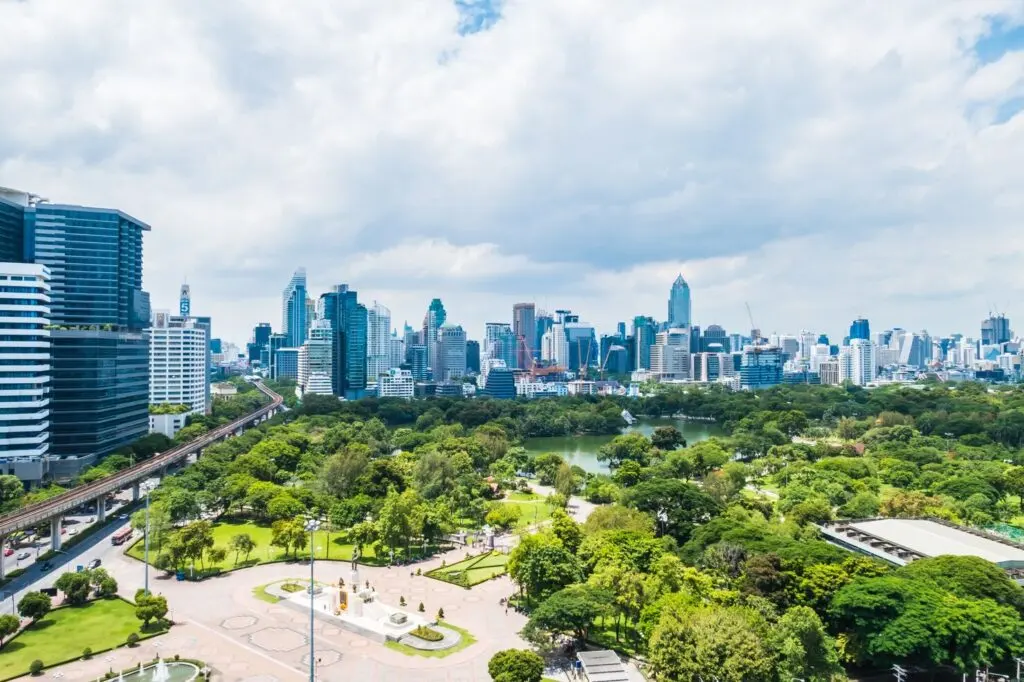
Bangkok’s green lung – 142 acres of parkland right in the center of the city, where you can watch locals practice tai chi at 6 am, feed the enormous monitor lizards (yes, they’re real and they’re everywhere), jog around the lake, or simply escape the concrete jungle for an hour. Free entry, open from 4:30 am to 9 pm.
🎭 Cultural Performances
Bangkok has a rich performing arts scene. Siam Niramit features state-of-the-art cultural performances which have achieved international standards, presenting one of the world’s largest stage productions. Joe Louis Puppet Theatre showcases the ancient Hun Lakhon Lek puppet tradition. Traditional Muay Thai boxing matches at Rajadamnern and Lumphini stadiums offer an electric live experience. Tickets start from about 1,000 THB ($28).
Fashion stores
Shopping
Bangkok takes shopping seriously. Very seriously.
In Bangkok’s city center, Siam Paragon and MBK Center are two of the largest shopping malls. You’ll find fashion stores, restaurants, and even aquariums inside.
The shopping landscape covers every budget and taste:
- Siam Paragon – Luxury brands, gourmet supermarket, SEA Life aquarium, cinema.
- MBK Center – Electronics, cheap clothes, student energy, great food court.
- Terminal 21 – An airport-themed mall where each floor replicates a different world city. The Tokyo floor, Paris floor, and Istanbul floor each have themed décor and local restaurants.
- The Emporium & The Emquartier – Upscale Japanese-influenced lifestyle malls on Sukhumvit.
- The Emsphere – The newest luxury lifestyle destination on Sukhumvit, opened in 2024, combining luxury shopping with a concert venue and innovative dining.
- Chatuchak Market – The world’s greatest weekend market.
- Pak Khlong Talat (Flower Market) – Open 24 hours. The most vivid and fragrant market in Bangkok – a spectacle especially between midnight and 3 am when flower deliveries arrive.
- Patpong Night Market – The classic night market on Patpong Road, perfect for souvenir shopping.
Shopping at places like Chatuchak Weekend Market or Patpong Night Market is a fun part of visiting Bangkok. Bargaining is normal, so don’t be shy to negotiate politely for a better price.
destinations
Day trips
Bangkok’s central location makes it the perfect base for exploring some of Thailand’s most extraordinary sites.
- Ayutthaya (~80 km north) – Ayutthaya makes a great day trip from Bangkok. The ancient former capital is home to some of the most dramatic temple ruins in Southeast Asia – crumbling Buddha heads entwined in tree roots, towering prangs, and a sense of history so thick you can feel it. Train tickets cost about 20 THB from Hua Lamphong. Day tours run $25-$40.
- Floating Markets – In the Bangkok outskirts, there are two well-known floating markets: Damnoen Saduak and Amphawa. Damnoen Saduak Floating Market is more popular with tourists, offering charming boat stalls and photo opportunities. Amphawa Floating Market is a favorite among locals. Not only can you shop for fresh produce and souvenirs, but you can also take a boat tour to see fireflies in the evening.
- Kanchanaburi (~130 km west) – The Bridge on the River Kwai, WWII cemeteries, bamboo rafting, and lush national parks. A deeply moving historical trip.
- Khao Yai National Park (~200 km northeast) – One of Thailand’s most spectacular UNESCO World Heritage parks, with elephants, hornbills, and jaw-dropping waterfalls. A 2.5-hour drive.
- Koh Samet (~200 km southeast) – The closest island getaway from Bangkok. Three hours by car and a short ferry. White sand, clear water, and beach bars – perfect for a weekend escape.
- Pattaya (~150 km southeast) – Thailand’s most famous beach resort city, about 2 hours from Bangkok. Great for water sports, nightlife, and day trips to nearby coral islands.
Food
What to eat & where
This is the section that deserves its own book. Bangkok’s street food scene is without question the most thrilling, most diverse, and most delicious urban food experience in Asia – and possibly the world. Bangkok is renowned for its bustling markets and vibrant street food culture. From early morning fresh flower stalls to lively night bazaars, the city offers something for every taste and budget.
Must-try dishes:
- Pad Thai – Stir-fried rice noodles with shrimp or chicken, egg, bean sprouts, and peanuts. The dish that everyone thinks is the national dish (it isn’t, but it’s delicious). From 60-120 THB at street stalls.
- Tom Yum Goong – Spicy, sour, aromatic prawn soup with lemongrass, galangal, and kaffir lime leaves. A flavor explosion unlike anything in Western cuisine.
- Som Tum – Green papaya salad, pounded in a mortar with garlic, chilies, fish sauce, lime, and palm sugar. Addictive and available at every street corner. About 50-80 THB.
- Khao Man Gai – Poached chicken on fragrant rice with ginger sauce. Simple, perfect, and the go-to dish for late nights and early mornings. About 50-70 THB.
- Boat Noodles – Rich, dark, intensely-flavored noodle soup served in tiny bowls. Street food legendary dishes like Pad Thai, mango sticky rice, and boat noodles all anchor Bangkok’s culinary identity.
- Mango Sticky Rice – Sweet mango with glutinous sticky rice and coconut cream. One of the world’s great desserts, available year-round for 60-120 THB.
- Oyster Omelette (Hoi Tod) – Crispy batter with fresh oysters or mussels and bean sprouts. A Chinatown specialty. About 80-120 THB.
Dining prices:
Budget €40-75 per person daily (excluding accommodation) for a mid-range Bangkok experience covering entry fees, meals, and transportation. Budget breakdown: Attractions €15-25, meals €15-30 (street food to casual restaurants), transportation €5-15.
A street food meal runs 50-120 THB ($1.40-$3.30). A sit-down local restaurant charges 150-300 THB ($4-$8) per person. A mid-range international restaurant runs 400-800 THB ($11-$22) per person. Michelin-starred meals start from about 1,500 THB ($42) – yes, Bangkok has Michelin-starred restaurants, and some of them serve street food.
Best street food zones:
- Yaowarat (Chinatown), Victory Monument, and Silom’s side streets – The best street food in Bangkok is found there.
- Or Tor Kor Market – Considered the cleanest and highest-quality fresh market in Bangkok. The prepared food section is extraordinary.
- Ari neighborhood – Trendy local cafes and restaurants without the tourist markup.
- Thonglor (Soi 55) and Ekkamai are where Bangkok’s food and nightlife scene is at its best – cocktail bars, izakayas, and Michelin-recommended Thai restaurants.
Accommodation
Hotels, resorts & long-term rentals
Hotels (per night):
Bangkok offers accommodation for every budget – from $5 hostel dorm beds to $500+ suites at the legendary Mandarin Oriental (one of the world’s great hotels, in operation since 1879).
- Budget: Clean, safe hostels and guesthouses near Khao San Road, Silom, or On Nut for $8-$20/night.
- Mid-range: Grande Centre Point Surawong Bangkok offers airy rooms, a rooftop pool with skyline views, and extra perks like a gym and gaming room – all without the luxury price tag. Expect $40-$90/night for this quality level.
- Luxury: Mandarin Oriental Bangkok – one of Bangkok’s most luxurious hotels with a riverside pool and 10 restaurants (2 of which have Michelin stars). Also: Park Hyatt, Capella, Peninsula, Four Seasons. From $200-$600+/night.
- Riverside luxury (riverside hotels offer luxury and atmosphere but cost more – $100-300 per night).
Which neighborhood to choose:
- Khao San Road: Backpacker hub with budget stays, lively nightlife and easy access to historic temples.
- Sukhumvit: Cosmopolitan vibe with shopping, dining, nightlife and excellent BTS access.
- Silom: Mix of business, nightlife and local life; green spaces near Lumpini Park and artsy spots near the river.
- If you want to explore history and temples, you can stay in the Old City (Rattanakosin).
Long-term apartment rentals (monthly):
Bangkok remains affordable compared with many Western capitals, but costs are rising year by year – especially in desirable expat areas. One of the biggest cost variables is where you live. Even within Bangkok, the difference between one neighborhood and another can mean thousands of baht in monthly savings – or spending. Rent hikes in popular neighborhoods along the BTS and MRT lines have been consistent due to renewed demand from expats returning, digital nomads, and foreign workers. Condos with one-bedroom apartments in the central areas cost more than they would have cost a couple of years ago. But here’s the good news: the housing market in Bangkok remains flexible. By changing a couple of stations without leaving the major hubs, rent can be cut significantly without compromising quality.
Neighborhood rental breakdown:
- Sukhumvit (expat heartland): This is Bangkok’s expat epicenter, often referred to as one of the best places to live in Bangkok. With easy BTS access, shopping malls, cafés, bars, and international supermarkets, Sukhumvit is a magnet for foreigners. Typical rent (studio/1-bed): 20,000-40,000 THB/month.
- In Sukhumvit, a modern 45m² one-bedroom with pool and gym costs around 20,000 THB/month (~$556).
- A few BTS stops away, in On Nut, a tidy studio goes for 12,000 THB ($333). In Phra Khanong, an older but well-located unit runs 14,000 THB ($389), proving you don’t need a skyscraper view to be comfortable.
- Ari: Ari has a strong digital-nomad vibe with coworking spaces scattered throughout. A quiet, tree-lined neighborhood with independent cafes, bakeries, and a genuinely local character. One-bedroom apartments from 15,000-25,000 THB.
- A furnished one-bedroom apartment in a popular expat neighborhood costs approximately $570/month. Outside the city center, expect to pay 20-35% less.
Transport
Transportation inside the City
Getting around Bangkok is both the great challenge and the great adventure of living here. The city is massive and traffic is genuinely legendary – but the transit options are excellent once you know how to use them.
BTS Skytrain & MRT Metro
The best way to explore the busy streets of Bangkok is through the Skytrain (BTS) or the Metro (MRT). Transportation is efficient and budget-friendly thanks to BTS Skytrain, MRT, buses, motorbike taxis, and walkable streets in many pockets.
The BTS (above ground) and MRT (partly underground, partly elevated) are clean, fast, air-conditioned, and the expat’s best friend. A single BTS journey costs 16-59 THB ($0.44-$1.64) depending on distance. A monthly unlimited pass runs about 1,350 THB ($37.50) – extraordinary value. Insider tip: Try to avoid rush hours (7:00-9:00 AM and 5:00-7:00 PM) to escape traffic congestion and crowded trains.
Buy a Rabbit Card (reloadable stored-value card) at any BTS station – it gives you slightly discounted fares and eliminates the need to buy tickets every time.
Chao Phraya Express Boat
Chao Phraya Express Boats are perfect for temple-hopping along the river and experiencing Bangkok from the water. Tickets run 15-40 THB depending on the boat line. The orange flag boats are the most popular tourist option.
Taxis & Ride-Hailing
Metered taxis are widely available, while Grab is the most popular app for taxis and motorcycle rides. Always insist the driver uses the meter – the standard refrain “no meter, no ride” works. Base fare is 35 THB. Grab is often slightly cheaper and removes all negotiation.
Motorbike Taxis
Identified by their orange vests, motorbike taxi drivers wait at the entrance of virtually every soi (side street) in Bangkok. Perfect for short, traffic-beating trips. Negotiate the fare first (usually 20-60 THB for short hops). Not for the faint-hearted – but fast.
Tuk-Tuks
The iconic three-wheeled tuk-tuk is really a tourist attraction more than a transport option. It’s louder than a lawnmower, offers no protection from exhaust fumes, and will charge you considerably more than a metered taxi. But it’s an experience, especially for a short hop between temples on a cool evening. Negotiate hard – start at 50% of whatever they say.
Scams: Avoid tuk-tuks offering “cheap tours” or “closed temple” scams. The classic one: “That temple is closed today – but I’ll take you to a special one for free!” It’s not free. Ever.
Full Breakdown
Cost of living
This is the section that makes people start rethinking their entire life plan.
Bangkok offers excellent value – a comfortable lifestyle at a fraction of what you would pay in Western Europe, North America, or Australia. Bangkok has a cost index of approximately 30/100 (NYC = 100), making it one of the most affordable destinations globally. In Bangkok, you can spend $800/month living in a suburban studio and eating street food, or $5,000/month in a luxury Sukhumvit penthouse with a live-in maid. The range is truly that wide – and both ends are very real options for residents.
Here’s a realistic monthly budget for a solo person living comfortably:
| Category | Estimated Monthly Cost |
|---|---|
| Apartment (1BR, furnished, near BTS) | $400-$600 |
| Electricity (inc. heavy AC use) | $28-$110 |
| Water | $8-$17 |
| Internet (fiber optic) | $17-$25 |
| Mobile data plan | $8-$14 |
| Food (mix of street food + restaurants) | $200-$400 |
| Transport (BTS/MRT pass + Grab) | $50-$100 |
| Gym membership | $20-$40 |
| Entertainment + miscellaneous | $100-$250 |
| TOTAL | $850-$1,550 |
Electricity in Bangkok remains relatively affordable by international standards, even with regular air-conditioning use. A one-bedroom apartment typically sees electricity bills of around 1,000-2,000 THB per month, rising to 3,000-4,000 THB during the hottest months if air-con is used daily. Water is inexpensive, often costing just 300-600 THB per month.
Bangkok’s reliable and fast internet is a major reason the city continues to attract digital nomads and remote workers. High-speed fiber internet usually costs 600-900 THB per month, with speeds more than sufficient for video calls and large file uploads. Mobile data is also extremely affordable, with unlimited or high-data SIM plans available for 300-500 THB per month. You can live here on $10 a day or $1,000 a day and still can spend more. The beauty of Bangkok is that the options genuinely exist at every point on that spectrum.
Medical Tourism
Dental tourism
Here’s something most travel guides gloss over: Bangkok is one of the world’s premier dental tourism destinations. Thailand is an extremely popular destination for medical tourism, with top-notch hospitals and practitioners.
Bangkok’s hospitals and dental clinics combine internationally trained dentists, the latest technology, and costs that are a fraction of what you’d pay in the US, UK, or Australia – all in facilities that look and feel more like luxury hotels than clinics.
Typical dental prices in Bangkok:
- Dental implants (Straumann/Nobel Biocare): $1,200-$2,000 per tooth (vs. $3,500-$6,000 in the US)
- All-on-4 full arch: $6,000-$10,000 (vs. $25,000-$35,000 in the US or Australia)
- Porcelain veneers: $300-$550 per tooth
- Teeth whitening: $150-$300
- A dental cleaning is 1,500-2,000 THB ($42-$55).
- Root canal treatment: $200-$400 per tooth
Bangkok is home to some of Asia’s best private hospitals, including Bumrungrad and Samitivej, attracting patients from around the world. Bumrungrad International Hospital alone sees over one million patients per year from more than 190 countries. The standard of care is genuinely world-class.
With direct flights from virtually every major city in the world, and tourist visas easily available, combining a Bangkok visit with dental work is both practical and cost-effective. Many patients save enough on their dental treatment to cover their entire trip – airfare, hotel, and all.
Healthcare
Insurance
Bangkok offers world-class healthcare and infrastructure. Private hospitals like Bumrungrad, Samitivej, BNH, Bangkok Hospital, and Vejthani operate at international standards with English-speaking staff across all departments. A GP consultation at Bumrungrad costs 1,500-1,800 THB ($42-$50). Emergency room visits, specialist consultations, even complex surgeries – all available quickly, professionally, and at a fraction of Western prices. Comprehensive expat health insurance runs about $1,945/year ($162/month) for full coverage. For shorter stays, SafetyWing starts at about $45/month and provides solid travel health coverage. Some expats skip insurance entirely, paying cash for treatment. This is an option more viable here than in most countries.
Pharmacies are on virtually every street. Many medications available only by prescription in Western countries are sold over-the-counter here at a fraction of the price.
Violent
Safety
Bangkok is one of Southeast Asia’s safest major cities. Bangkok is generally safe for tourists. Serious crime is rare, and locals are friendly and helpful. Most issues involve small scams or crowded areas, but being aware of your surroundings and taking basic precautions will help you enjoy a smooth and safe trip.
Practical safety tips:
- Use licensed taxis or Grab, keep valuables out of sight, and be aware of common tourist scams such as gem store touts and tuk-tuk detours to overpriced shops.
- Avoid tuk-tuks offering “cheap tours” or “closed temple” scams. The “Grand Palace is closed today” line is a scam. Always walk up and check yourself.
- Be mindful of pickpockets in crowded areas like Chatuchak Market and public transport.
- Always remove your shoes before entering homes and temples. Never touch anyone’s head (it’s considered sacred). Dress modestly when visiting temples.
- The Thai monarchy is deeply revered and protected by strict lèse-majesté laws. Never make disrespectful comments about the royal family – this is absolutely not a joke.
- Return a wai (palms together bow) – even if it feels new, it’s always appreciated. And most importantly: smile. Thais don’t call their country “The Land of Smiles” for nothing.
- Drivers around tourist areas often try to charge way above the normal rate, especially late at night. The easiest way to avoid this is by using Grab (the local ride-hailing app) or agreeing on a fixed price before hopping in.
famous
Nightlife
Bangkok’s nightlife is genuinely one of the best in the world – and it covers every taste, from dive bars to sky-high cocktail lounges to legendary electronic music clubs.
Key nightlife zones:
- Khao San Road has a vibrant and lively nightlife scene. What sets Khao San apart from other night markets in Bangkok is the huge mix of bars, cafés, and Western-style spots. Things start waking up in the early evening, but the real magic happens once the sun goes down. At night, the whole street turns into a giant party. With music blasting from every shop and bar, it’s like a night market and a street festival rolled into one.
- Sukhumvit / Thonglor / Ekkamai – Where Bangkok’s sophisticated nightlife lives. Craft cocktail bars, underground jazz clubs, rooftop lounges, and some of the best restaurant-bars in Asia. Thonglor is the Tokyo of Bangkok – Japanese izakayas, wagyu beef joints, and beautifully designed cocktail bars on every block.
- Silom / Sathorn – Business district by day, rooftop bar capital by night. Rooftop bars like Sky Bar, Vertigo, and Octave offer skyline views that justify the cocktail prices.
- RCA (Royal City Avenue) – Big nightclubs and DJ events. Bangkok’s club district, with massive venues running international DJ nights.
- Silom Soi 4 & Soi 2 – Bangkok’s LGBTQ+ nightlife hub, known for being welcoming, lively, and brilliantly fun.
Drinks prices: a large Leo or Chang beer at a bar costs 80-120 THB ($2.20-$3.30). A cocktail at a mid-range bar runs 200-350 THB ($5.50-$9.70). At rooftop sky bars, cocktails are 400-600 THB ($11-$16.70).
Digital Nomad
Expat life
Over the past ten years, Bangkok has been among the most appealing cities in Asia to expatriates and digital nomads. Low cost of living, great cuisine, trusted infrastructure, and a lively urban style have made it a natural destination for remote workers and long-term foreigners. Bangkok’s digital nomad community has grown rapidly due to its comparatively low cost of living and position as a bustling metropolitan city with great co-working spaces and high-speed internet. As it is popular with tourists and has a large expat crowd, foreigners are welcome and most people speak at least some English.
Where to base yourself:
For work, look at coworking spaces near transit or in neighborhood hubs like Sukhumvit, Ari, or Phaya Thai. Bangkok has dozens of coworking spaces, most running 300-600 THB per day or 3,000-6,000 THB per month. The café culture is excellent – you’ll never be more than a 5-minute walk from a café with reliable Wi-Fi and great coffee. Bangkok is very safe, with fast internet, widely praised food, and good public transport, especially the BTS. Many nomads enjoy the coworking spaces and relatively affordable, amenity-rich housing if you’re willing to live a bit outside the core areas.
The expat community:
Bangkok has one of the largest expat communities in Asia – Americans, British, Australians, French, Japanese, Korean, Indian, and virtually every other nationality. There are Facebook groups for every interest imaginable, sports leagues, charity organizations, professional networking events, and a social calendar that would exhaust even the most extroverted person.
Even dealing with bureaucracy is simple if you dress well and are polite – many have never met a Thai who didn’t want to help. Bangkok is great for independent people who want access to everything.
Visa:
Most Western nationalities receive a 60-day tourist visa on arrival or visa-exempt entry (check your specific country). The Thailand Digital Nomad Visa (Long-Term Resident Visa) is available for qualifying remote workers, offering 5-year renewable stays with minimal reporting requirements.
Events
Festivals in 2026
Bangkok’s festival calendar in 2026 is genuinely extraordinary – anchored by one of the world’s greatest parties and punctuated throughout the year with cultural celebrations, sporting events, and entertainment spectacles.
- Songkran 2026 – Thai New Year Water Festival (April 13-15): This is Bangkok’s (and Thailand’s) most spectacular celebration. For three official days – and realistically five or six – the city transforms into the world’s largest water fight, with an estimated five million people taking to the streets. The official public holidays (April 13-15) fall right after the weekend of April 11-12. Thais will therefore enjoy a long, uninterrupted five-day weekend. Domestic tourism will consequently be exceptionally intense. Bangkok follows Thailand’s official Songkran holiday from April 13-15, 2026. Silom and Khao San are the best known for street-level water fighting, Siam Square is better if you want more structure, and temple areas are better for the cultural side.
- S2O Songkran Music Festival 2026 (April 11-13): The 2026 edition of S2O will take place at a new venue, S2O Land on Ratchadaphisek Road (near MRT Thailand Cultural Centre), which promises to provide an expansive outdoor setting ensuring a high-energy atmosphere for thousands of music lovers. S2O 2026 will be bigger than ever, with an extended lineup of world-renowned DJs and expanded festival grounds to accommodate more revelers. With cutting-edge sound and lighting technology, along with synchronized water cannons, the festival creates a truly unique party atmosphere.
- SIAM Songkran Music Festival 2026 (April 11-14): The SIAM Songkran Music Festival 2026 takes over the Bravo BKK Arena (RCA) in Bangkok from April 11-14, 2026. April 13 sees the energy peak with the return of world #1 Martin Garrix to the SIAM stage. April 14 features the grand finale with the high-energy Chicago house vibes of John Summit.
- GCircuit Songkran (April 2026): Asia’s largest LGBTQ+ Songkran party, celebrating its 20th Anniversary. Night parties and pool parties at Emsphere, Sukhumvit (BTS Phrom Phong).
- Maha Songkran World Water Festival at Sanam Luang: The Tourism Authority of Thailand stages its official Maha Songkran World Water Festival here each year. In 2025 this included a grand parade with eight thematic floats, Khon theatre, traditional dance, a 1,200-drone light show, and five days of programming. Expect similar or expanded programming in 2026.
- Chinese New Year / Yaowarat Celebrations (January 29, 2026): Chinatown (Yaowarat Road) explodes into a dragon dance, lion dance, fireworks, and street food extravaganza that rivals any celebration in China itself. The red lanterns are hung weeks in advance – start exploring early.
- Loy Krathong & Yi Peng (November): The most romantically beautiful festival in Thailand. Thousands of candlelit lotus-shaped floats (krathongs) are set adrift on rivers and canals. In Bangkok, Asiatique and the Chao Phraya River are the prime viewing spots. On the same night, the sky fills with floating lanterns in an unforgettable spectacle.
- Bangkok International Film Festival & Bangkok Art Biennale: Bangkok has a vibrant arts calendar throughout the year, with film festivals, gallery openings, street art events, and fashion weeks running across multiple seasons.
- Bangkok International Motor Show (March-April): One of Asia’s biggest auto shows, held at IMPACT Challenger Exhibition Center. Even non-car-enthusiasts find it worth a visit.
- New Year’s Eve Countdown: The biggest NYE celebration in Southeast Asia, with fireworks over Central World, rooftop parties across Sukhumvit, and riverside events at ICONSIAM and Asiatique. Book accommodation near the BTS months in advance – prices triple around this period.
When to visit
Weather
| Season | Months | What to Expect |
|---|---|---|
| Cool & Dry | Nov-Feb | Best time. Temperatures 22-32°C, lower humidity, clear skies. Peak tourist season – book ahead. Includes Christmas, New Year, and Chinese New Year. |
| Hot & Dry | Mar-May | Temperatures 33-40°C. Outdoor sightseeing becomes exhausting by mid-morning. Schedule temple visits for early morning (8-10am), spend midday in air-conditioned malls or museums, and save rooftop bars for after sunset. |
| Rainy | Jun-Oct | Afternoon downpours usually last 1-2 hours, then clear. It rarely rains all day. Prices drop, crowds thin, and the city feels more authentically local. Pack a compact umbrella, plan indoor activities for 2-4pm, and you’ll have a great trip at 20-30% lower cost. |
Songkran (April 13-15) is worth the heat if you want to experience the Thai New Year water festival – Silom Road and Khao San Road host Bangkok’s biggest celebrations. Just prepare for extreme crowds and book accommodation months ahead.
Secret Spots
Insider tips
- Pak Khlong Talat at 3 AM – Bangkok’s wholesale flower market is one of those places that makes you feel like you’ve discovered a secret world. Arrive between midnight and 4 AM when the flower deliveries come in. The scale, the color, the fragrance, and the absolute business of it all – mountains of orchids, roses, marigolds, and lotus blossoms piled higher than your head – is unlike anything else in the city. Completely free, completely open.
- The Riverside hidden cafes of Thonburi – Cross to the west bank of the Chao Phraya and wander the quiet lanes of Thonburi. Old wooden houses on stilts, canal-side cafes with zero tourists, and a pace of life unchanged for decades. Rent a kayak to explore the canals for about 150-200 THB per hour.
- Or Tor Kor Market for real local shopping – Most tourists go to Chatuchak right next door. Or Tor Kor Market, just across the road, is considered the highest-quality fresh produce market in Bangkok by locals. The prepared food section has things you’ll never find in any tourist restaurant. Go hungry.
- Buildings from the early 2000s often have larger floor plans and lower rent than brand-new towers, and many still come with a pool and gym. For long-stay accommodation hunters, this is valuable insider knowledge.
- Bang Rak neighborhood for café culture – Bangkok’s fastest-rising creative neighborhood, centered around the old trading district near the Assumption Cathedral. Converted shophouses, independent coffee roasters, design studios, and zero tourist crowds. Take the BTS to Saphan Taksin and walk north.
- The Airport Rail Link is the best-kept secret – Locals know it. Most tourists don’t. The Suvarnabhumi Airport Rail Link connects the airport to central Bangkok in 28-35 minutes for just 45 THB. A taxi covering the same route costs 250-400 THB and takes 45-90 minutes in traffic. Take the train.
- Get a Thai massage at Wat Pho, not a spa – Wat Pho is literally the birthplace of traditional Thai massage. The massage school at the temple charges 420 THB for 30 minutes or 840 THB for 60 minutes. This is cheaper than most street-level massage shops and infinitely more atmospheric. Walk in – no appointment needed.
- Avoid Grab during peak hours near Khao San – Grab works but surge pricing is 3-5x normal during festival hours. During Songkran and other major events, walking is often faster than any vehicle in festival zones.
- Try the BTS Rabbit Card for everything – The Rabbit Card works not just for BTS fares but also for payments at 7-Eleven, Tops Supermarket, and participating restaurants. Load it up and you’ll barely need to touch your wallet for daily expenses.
- Ari is the neighborhood you haven’t discovered yet – Ari is a growing expat hub with great cafes, local markets, and more space for your money. Ari has a strong digital-nomad vibe with coworking spaces scattered throughout. It’s where Bangkok’s creative class, young professionals, and savvy nomads have been quietly living while everyone else crowds into Sukhumvit.
2026 Prices
Budget cheat sheet
| Item | Cost |
|---|---|
| Pad Thai (street stall) | $1.40-$2.80 |
| Mango sticky rice | $1.70-$3.30 |
| Local restaurant meal | $3-$8 |
| Rooftop bar cocktail | $11-$17 |
| Street-side beer (Chang/Leo) | $1.40-$2.20 |
| Thai coffee (local café) | $0.70-$1.50 |
| Specialty coffee (hipster café) | $2.50-$4.50 |
| Grab ride across Sukhumvit | $2-$5 |
| BTS one-way fare | $0.44-$1.64 |
| BTS monthly pass | ~$37.50 |
| Airport Rail Link | $1.25 |
| Chao Phraya ferry | $0.42-$1.10 |
| Grand Palace entry | $13.90 (500 THB) |
| Wat Pho entry | $5.55 (200 THB) |
| Wat Arun entry | $2.78 (100 THB) |
| Thai massage (1 hour) | $8-$20 |
| Traditional massage at Wat Pho (1 hour) | $23.30 (840 THB) |
| Gym (monthly) | $20-$40 |
| Dental cleaning | $42-$55 |
| Dental implant (per tooth) | $1,200-$2,000 |
| Cinema ticket | ~$5.50 |
| Studio apartment (monthly) | $333-$450 |
| 1-bedroom apartment (monthly, central) | $500-$700 |
Why They Stay
Why people come
Here’s the honest truth about Bangkok in 2026: it’s not for everyone. The heat will hit you like walking into a sauna. The traffic will make you question your life choices. The pollution on certain dry-season days is real. Air pollution – especially during the dry season – is a serious issue for many, along with the intense year-round heat and humidity that makes walking nearly impossible. Bangkok’s traffic is notoriously bad, and the city lacks greenery and walkability, leading to a reliance on rideshares or public transit.
And yet.
Bangkok is a city of contrasts that tends to polarize opinions. On the upside, it’s very safe, with fast internet, widely praised food – especially at eateries locals frequent – and good public transport, especially the BTS. When one expat came to Bangkok on the last day of major political unrest, they were shocked by how nice people were. If kindness of local people, manners and respect for your personal space mean anything to you, you will love Bangkok.
What keeps people here – what turns a two-week holiday into a two-year adventure – is the combination. The food. The warmth of Thai people. The fact that you can eat a world-class bowl of noodles at midnight on a plastic stool for $2, then wake up at 6 am and watch the city come alive with the sound of monks collecting alms and street vendors firing up their woks. The way a city of 12 million people can somehow feel intimate and personal once you find your neighborhood, your coffee shop, your corner of it.
For global travelers seeking a destination that combines rich culture, stunning landscapes, vibrant cities, and warm hospitality, Thailand remains an unmatched choice. This year, the country invites explorers to immerse themselves fully in the unique experiences it offers – from bustling urban streets to tranquil island escapes.
Bangkok is the kind of city that changes you. You arrive as a tourist and leave as something harder to define – a person who has been cracked open by heat and beauty and chaos and kindness, and who will spend the rest of their travels comparing every other city to this one.
Welcome to the City of Angels. It’s louder than heaven. It’s hotter than hell. And it’s the most alive place you’ll ever visit.
Bangkok
Your next destination?
Whether you’re a first-time traveler hungry for temples and street food, a shopaholic who hasn’t seen Chatuchak yet, a digital nomad searching for Asia’s ultimate big-city base, a family ready for an affordable and endlessly exciting adventure, or someone who wants world-class dental care at a fraction of home prices – Bangkok has something extraordinary waiting for you.
Bangkok is waiting – with golden spires at sunrise, the world’s greatest street food, nightly rooftop cocktails above a skyline that grows taller every year, and a water festival that turns the entire city into one enormous party.
Welcome to Bangkok. You’ll never be the same.
Last updated: March 2026. All prices are approximate and may vary by season. Always confirm current rates with service providers.
Are you living in Bangkok already?
Drop your experience in the comments below – every update helps the community!