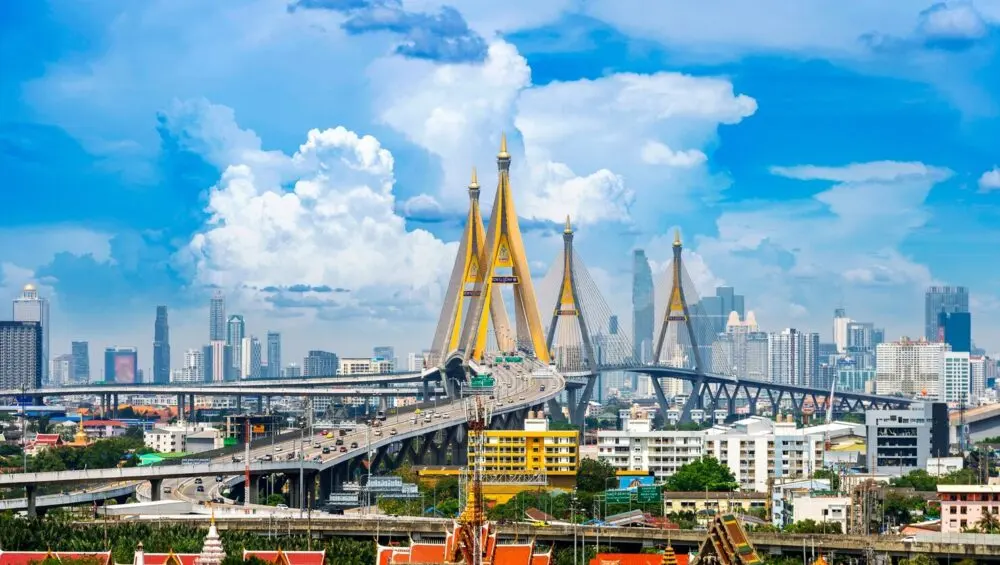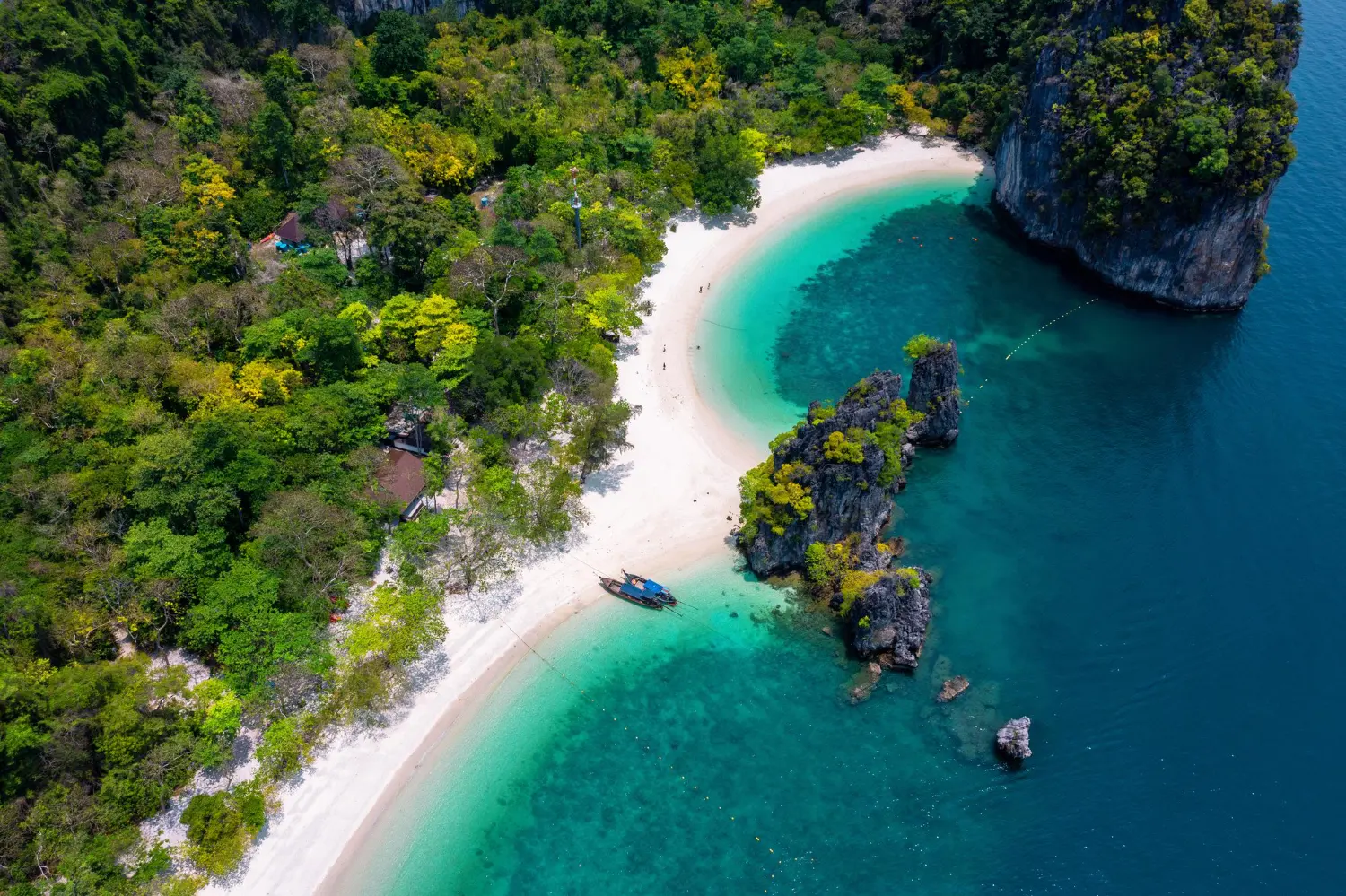

Time zone+4 UTC
Avg. temperature32°C
Best time to visitWinter
Most popular
Points of view
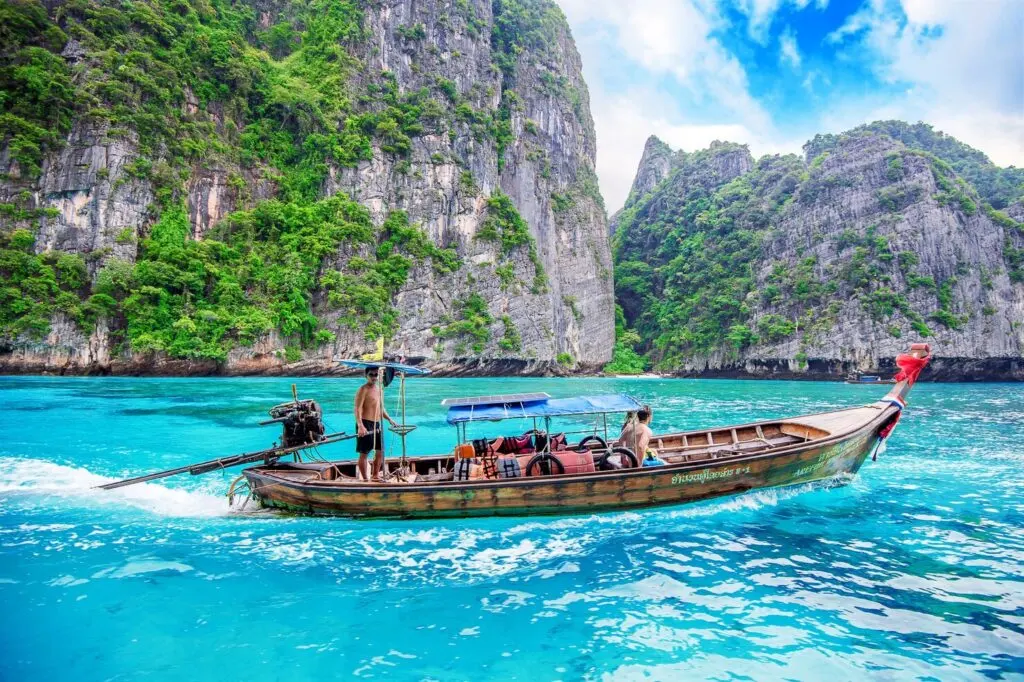
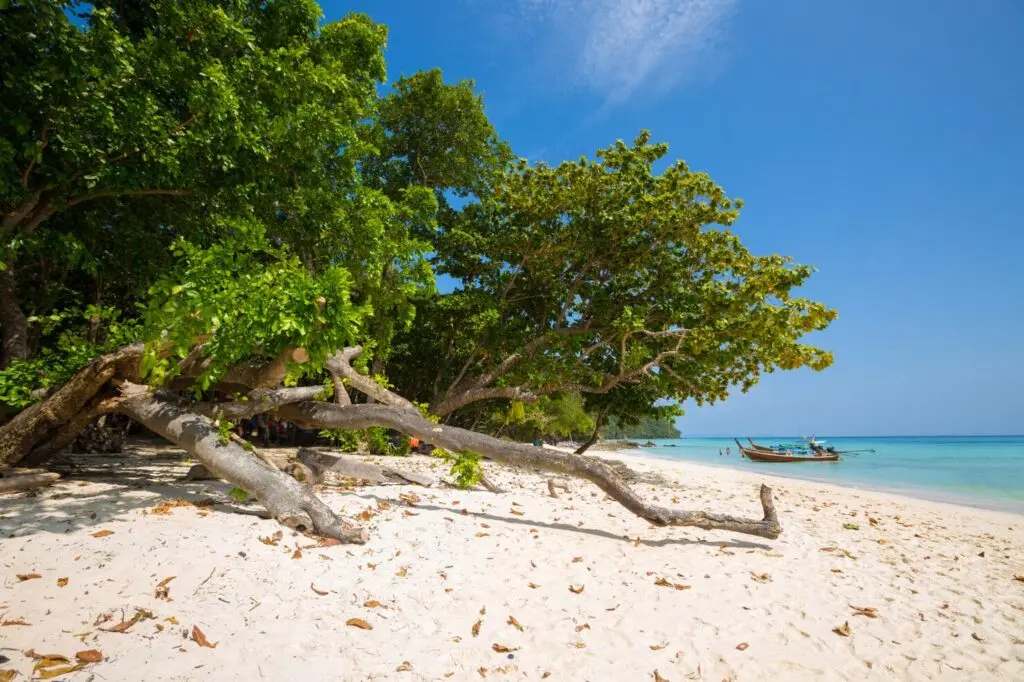

Phuket
Pearl of the Andaman
There’s something almost unfair about Phuket. The kind of place where you book a week-long trip, end up staying three, and start Googling apartment rentals on day four. Thailand’s largest island draws over 14 million visitors a year, and once you arrive, that number starts to make total sense.
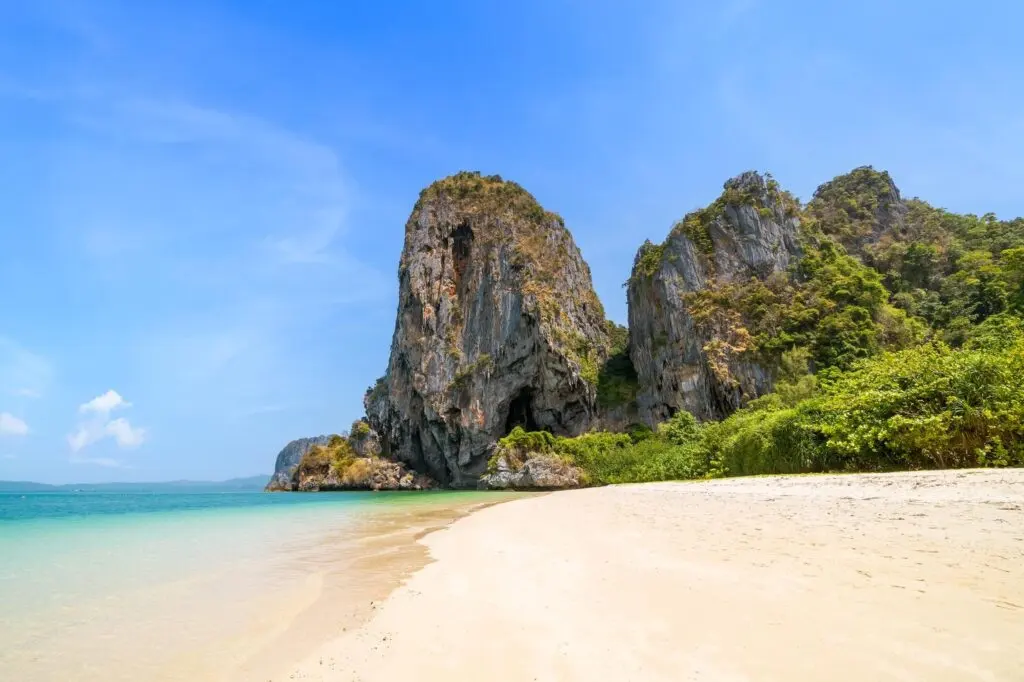
Phuket is known for its stunning beaches, vibrant nightlife, historic temples, flavorful cuisine, and a rich cultural blend of Thai, Chinese, and Malay influences. But it’s so much more than those headline lines. It’s where Russian families share beachfront with Australian surfers. Where Swedish digital nomads work from oceanview cafés while Thai grandmothers sell pad kra pao from street carts fifty meters away. Where a $2 bowl of noodles and a $400 ocean-view suite exist on the same block. Known as the “Pearl of the Andaman,” spend any amount of time on its stunning, golden beaches, framed by dramatic karst stone formations, and you will soon understand how it earned this nickname.
In 2026, Phuket is riding a wave of reinvention. New beach clubs, upgraded infrastructure, and a growing digital nomad scene have added fresh energy to this legendary island – while its soul, culture, and jaw-dropping natural beauty remain unchanged.
Glance
Phuket
- Location: Southern Thailand, Andaman Sea coast
- Size: ~576 km² – big enough to spend weeks exploring, small enough to feel like home
- Population: Approximately 400,000 registered residents, plus an estimated 115,000 expatriates from various backgrounds
- Language: Thai (English widely spoken in tourist areas)
- Currency: Thai Baht (THB). As of early 2026, roughly 35 THB = $1 USD
- Time Zone: UTC+7
- Best Season: November to March – expect sunny, dry weather, warm seas, and buzzing nightlife
- Airport: Phuket International Airport (HKT)
The island divides into distinct zones serving different traveler profiles. Patong Beach on the west coast delivers Phuket’s infamous nightlife and shopping density, with Bangla Road’s neon-lit bars and clubs operating until dawn. Kata and Karon beaches south of Patong offer family-friendly resort strips with calmer atmospheres and excellent swimming conditions. Kamala and Surin beaches cater to luxury travelers seeking quieter, upscale experiences with boutique resorts and fine dining. Phuket Old Town in the island’s southeast preserves Sino-Portuguese architecture from the tin mining era, with restored shophouses now housing cafes, art galleries, and boutique hotels.
Here
Getting
By Air
The most popular and straightforward way to reach Phuket is by flight, with Phuket International Airport (HKT) serving as the main gateway. Many Asian and Middle Eastern airlines offer direct flights, while travelers from Europe or the Americas typically connect through Bangkok or Singapore. Domestic flights from Bangkok run around $80-100 USD and take about 75 minutes.
By Bus/Van
Long-distance buses and minivans connect Phuket to Bangkok, Krabi, Surat Thani, and other southern Thai cities. It’s a budget option – but the overnight bus from Bangkok to Phuket takes roughly 12 hours, so flying is usually worth it.
By Train
There is no direct train service to Phuket. Travelers arriving by train must get off at Phun Phin Station in Surat Thani Province and continue by regular bus to Phuket.
Visa & Entry (2026 Update)
Citizens from 93 countries receive automatic 60-day visa-free entry, including the United States, United Kingdom, European Union nations, Australia, Canada, and Japan. All foreign travelers entering Thailand through Phuket International Airport must complete the Thailand Digital Arrival Card (TDAC) within 72 hours before arrival. This mandatory digital form replaced the paper TM6 card on May 1, 2025. Don’t skip this – the TDAC submission generates a QR code that immigration officers scan upon arrival; travelers without this QR code face entry refusal. For longer stays, consider the Destination Thailand Visa (DTV) for stays of 180 days or more. It’s become a go-to option for digital nomads and long-term visitors.
Where to Start
Your first day in Phuket
Landed, checked in, buzzing with excitement – so where do you go first? Here’s a first-day plan that actually works:
Morning: Head straight to Old Phuket Town. Walk along Thalang Road to admire Sino-Portuguese architecture, vibrant street art, and boutique cafés. Grab breakfast at one of the local coffee shops – a Thai iced coffee (oliang) for 40 THB will set the mood perfectly. The area is calm in the morning before tourists arrive.
Midday: Make your way to Wat Chalong, the largest and most important Buddhist temple in Phuket. Dress respectfully (shoulders and knees covered) and take your time exploring the grounds. It’s free to enter and genuinely moving.
Afternoon: Head to the beach. For your first swim, Karon or Kata are ideal – beautiful, manageable, and not as chaotic as Patong. Karon is best for families and couples wanting space and calm without complete isolation, and nearby Karon Viewpoint offers panoramic views of Karon, Kata, and Kata Noi beaches.
Evening: If you haven’t been to Patong’s Bangla Road yet, go once – just to see it. Bangla Road, with its numerous bars and street food vendors, comes alive as the night ages. It’s loud, chaotic, and utterly unique. Even if it’s not your scene, it’s a Phuket rite of passage.
Pro tip: Don’t try to cram everything in on day one. Phuket rewards slow travelers. Let the island reveal itself gradually.
Things to Do
Top attractions
Beaches:
The island is home to more than 40 beautiful beaches, from the busy shores of Patong to the peaceful sands of Laem Singh, with clear waters ideal for snorkeling and swimming.
- Patong Beach – The classic. Loud, lively, everything happening at once. Perfect for people-watching, water sports, and nightlife access.
- Kata Beach – Well-suited to families, couples, and first-time Phuket visitors. Divided into Kata Yai (the main beach) and the smaller, quieter Kata Noi just around the headland.
- Surin & Kamala – Upscale, calm, and favored by those who prefer their beach time without the crowds.
- Nai Harn – Loved by long-term residents. South-island gem with a gorgeous lagoon, decent surf in monsoon season, and a genuinely local vibe.
- Freedom Beach – Accessible only by longtail boat or a steep hike from Patong. Pristine white sand and clear water with very few visitors. Worth every baht of the effort.
- Ya Nui Beach – A small rocky cove between Promthep Cape and Krating Cape, with calm turquoise waters that make it good for snorkeling and kayaking. Often overlooked, and easy to combine with a visit to Promthep Cape.
Cultural & Historical Sites:
- Big Buddha – A 45-meter-tall statue overlooking the island, it reopened on March 3, 2026 after the long closure following the August 2024 landslide. The site is now managed by Wat Kittisangharam and is open daily from 9am to 6pm. The views from up here are incredible – don’t miss it.
- Wat Chalong – Sacred, serene, and the spiritual heart of the island.
- Old Phuket Town – Heavily retains its Chinese influence and Sino-Portuguese history via its cuisine, cooking styles, architecture, and historical museums and buildings.
- Promthep Cape – The island’s most famous sunset spot. Arrive 30 minutes early, claim your spot, and watch the sky turn into a painting.
- Phuket Thaihua Museum – Features English-language exhibits on the island’s history. Compact, well-curated, and genuinely interesting for those curious about Phuket’s tin-mining past.
Activities & Adventures:
- Snorkeling & Diving – World-class dive sites surround the island. From beginners’ courses to advanced wreck dives, Phuket is one of Southeast Asia’s premier diving destinations.
- Muay Thai – With some of the most notorious Muay Thai training camps in Thailand, Phuket is the ideal place for the digital nomad who is serious about exercise.
- Surfing – Kata has Phuket’s best surf during low season (May-October).
- Elephant Sanctuaries – Visiting or volunteering at an elephant sanctuary is the best way to see these majestic animals – one of the oldest sanctuaries is Phuket Elephant Sanctuary. Please avoid elephant riding – it’s not ethical and thankfully becoming less common.
- Cooking Classes – Learn to make pad thai, green curry, and mango sticky rice from scratch. A half-day class runs around 1,000-1,500 THB and is one of the most fun things you can do here.
- Khao Rang Viewpoint – A peaceful hilltop park with panoramic views over Phuket Town. Quiet, free, and almost always uncrowded. One of those places locals love and tourists rarely find.
destinations
Day trips from Phuket
For island-hopping tours in Phuket, the most common way to get around is by ferry boat or private speedboat. There are three main piers: Rassada Pier (Phuket Deep Sea Port), Chalong Pier, and Rawai Pier. Rassada Pier is the major one, known for its popular routes to Phi Phi Islands, Phang Nga Bay, Krabi, Koh Lanta, and more. Estimated travel times are 1.5-2 hours by ferry, or 45-60 minutes by speedboat.
Top day trips:
- Phi Phi Islands – Iconic. Crowded in high season, but the scenery is genuinely breathtaking. Go early on a speedboat to hit Maya Bay before the crowds arrive.
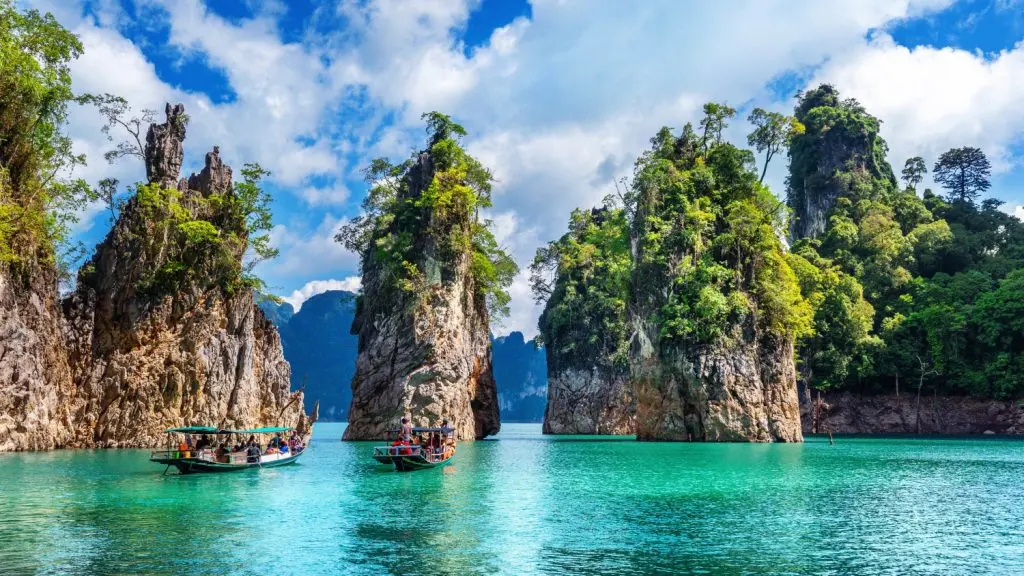
- James Bond Island (Phang Nga Bay) – Limestone karst formations rising from the sea. Unforgettable and quintessentially Thai.
- Coral Island (Koh Hae) – Just 20 minutes offshore. Perfect for snorkeling, and far less visited than Phi Phi.
- Koh Racha Yai – Pristine diving and incredible underwater visibility. Divers rate this among the best sites accessible from Phuket.
- Similan Islands (seasonal, October-May) – A UNESCO-listed marine park. If you’re here at the right time, absolutely go.
Food
What to eat & where
Phuket’s food scene is genuinely one of its most underrated attractions. It’s a mix of cheap and cheerful Thai dishes, fresh local seafood, and Western dining that can rival any major city – but at a price.
Street Food Staples (40-80 THB per dish):
- Pad Thai – Stir-fried rice noodles with egg, bean sprouts, and your choice of protein
- Pad Kra Pao – Holy basil stir-fry with a fried egg on rice. The Thai national comfort food.
- Khao Man Gai – Steamed chicken over rice with a simple broth. Cheap, filling, satisfying.
- Moo Ping – Grilled pork skewers. Breakfast of champions.
- Roti – Flaky Thai flatbread with banana, egg, or condensed milk. Life-changing at 1am.
- Fresh Seafood Markets – Rawai Seafood Market lets you buy raw seafood by weight and have it grilled to order right there. Tiger prawns, barracuda, squid – all absurdly fresh and wildly affordable.
Where to Eat:
- Local morning markets (talat chao) – The best cheap breakfast options. Find them in every neighborhood.
- Malin Plaza Night Market (Patong) – Tourist-accessible but genuinely delicious. Great for first-timers.
- Old Town food spots – Michelin Bib Gourmand recognition has found its way here. Look for Raya Restaurant for royal Thai cuisine.
- Rawai & Chalong – Where locals actually eat. Fewer menus in English, better prices, more authentic flavors.
- Sunday Walking Street (Thalang Road, Old Town) – The Sunday Night Market opens around 4pm and closes by 10pm – perfect for food, art, and atmosphere.
Street food meals like pad kra pao or fried rice are 60-80 THB ($1.65-$2.20). A sit-down meal at a mid-range restaurant runs 200-400 THB. Western food at tourist restaurants can reach 400-800 THB per dish.
great deal
Shopping
Phuket offers a great deal for shopping lovers, with products ranging from cheap clothes to handicrafts and jewellery. The place is a main source of cultured pearls, pewterware, ornaments, and nielloware.
Best shopping spots:
- Jungceylon Mall (Patong) – Phuket’s largest shopping complex. Has everything from 7-Eleven to designer stores and a supermarket.
- Central Phuket – Modern, air-conditioned, and one of the best shopping malls in southern Thailand.
- Old Town Walking Street (Sunday) – Handmade crafts, vintage clothing, local art, and street food.
- Night Bazaar (near Phuket Town) – Good for souvenirs, cheap clothing, and authentic local goods.
- Chatuchak Weekend Market-style stalls – Scattered across beach areas, selling swimwear, beach wraps, coconut oil products, and more.
What to buy:
- Thai silk and cotton fabrics
- Hand-carved wooden items
- Elephant-themed jewelry (from ethical sellers)
- Custom-tailored clothing (many shops in Patong offer 24-hour tailoring)
- Local coffee and tea
- Coconut oil and Thai skincare products
💡 Bargaining is expected and accepted at markets and smaller shops – but not at malls or fixed-price stores. Start at about half the asking price and work toward a middle ground. Keep it friendly – it’s meant to be fun.
Accommodation
Hotels, apartments & long-term rentals
Hotels & Resorts
In Phuket, a 4-star beachfront hotel room typically ranges from $100 to $150 per night, while a 5-star hotel can vary from $150 to $400+ per night, depending on the location and brand. Peak season (December-February) hotel rates increase 40-60% compared to May-October low season, so if you’re flexible on timing, shoulder season (late October to November) offers exceptional value. Phuket accommodation in 2026 ranges from 500-800 THB ($14-23) hostel dormitories to 12,000+ THB ($340+) luxury resort suites.
Best areas to stay:
- Patong – Lively, central to everything, best for nightlife and solo travelers
- Kata/Karon – Great for families and couples; quieter but still well-equipped
- Kamala/Surin – Luxury end; boutique hotels, upscale beach clubs, fewer crowds
- Old Town – Boutique, character-filled, cheapest and most authentic
- Rawai/Nai Harn – Long-term expat area; quieter, better value, beautiful beaches nearby
Long-Term Rentals
A one-bedroom apartment runs 15,000-35,000 THB/month depending on location and amenities. Co-living spaces start from 8,000 THB/month, often including furniture, internet, and cleaning.
For those wanting more space, villa rentals with 3-4 bedrooms and a private pool range from ฿60,000 to ฿350,000 per month. For luxury seekers, beachfront villas can exceed these figures significantly.
Most long-term visitors find a comfortable lifestyle possible around 50,000-60,000 THB/month including rent, food, utilities, and leisure.
Insider Tips for Renting:
- Book online for just 2 days first, rent a scooter, and explore the area before choosing a long-term stay – locals give the best advice.
- Many long-term residents sign 12-month leases to avoid high-season rent spikes.
- Negotiate rent, especially during the low season or for long-term leases.
- Kathu and Phuket Town offer the most affordable residential options, roughly 30-40% cheaper than beachfront areas.
Transport
Transportation on the island
Getting around Phuket requires a bit of planning, because – unlike Bangkok – there’s no metro or BTS system.
Songthaew (Shared Truck-Bus)
Small buses connect Phuket’s Old Town with the main beach resorts around the island, like Patong and Karon. Fares are 25-40 THB for fixed routes. Slow but very cheap and an authentic local experience.
Grab / Bolt
Taxi prices in Phuket are significantly higher than in other parts of Thailand. Rideshare apps like Bolt or Grab may offer better value but aren’t always available in remote areas. Grab short rides (5-7 km) cost 150-250 THB ($4.20-$7). Always use the app over flagging a taxi to avoid being overcharged.
Tuk-Tuk
Fun, iconic, and pricey. If your hotel isn’t on one of the main beaches, tuk-tuks are some of the best ways to get around. The small vehicles can weave through tiny streets with ease and are worth the ride alone. Always negotiate the price before you get in – expect 150-300 THB for short hops.
Scooter Rental
The most popular option for independent travelers and residents. Monthly scooter rental runs about 3,500 THB/month ($97). Daily rentals run around 200-350 THB. Always wear a helmet – police checkpoints are common, fines are real, and the roads demand respect.
Car Rental
Car rentals cost around 1,000 THB/day at standard rates, with long-term rates dropping to about 600 THB/day. Monthly car rentals for long-term expats range from 15,000-25,000 THB ($417-$695).
Full Breakdown
Cost of living
Phuket remains cheaper than most Western cities, but higher than other Thai regions like Chiang Mai or Hua Hin due to tourism and island logistics. Thailand’s cost of living is generally about 50% lower than in the United States or Western Europe.
Here’s a realistic monthly budget for a solo person living comfortably:
| Category | Estimated Monthly Cost |
|---|---|
| Apartment (1BR, furnished, good location) | $430-$850 |
| Utilities (electricity, water, AC) | $55-$110 |
| Internet (fiber optic) | $20-$25 |
| Mobile plan (unlimited data) | $3-$8 |
| Food (mix of street food + local restaurants) | $170-$400 |
| Motorbike rental + gas | $55-$90 |
| Gym membership | $25-$50 |
| Entertainment, beach clubs, day trips | $85-$350 |
| Healthcare / insurance | $40-$100 |
| Miscellaneous (toiletries, clothing, etc.) | $30-$80 |
| TOTAL | ~$900-$2,000 |
Water runs around 300-400 THB ($8-$11) per month, and high-speed fibre internet is 700-900 THB ($19-$25). Phuket offers a wide range of entertainment – from rooftop bars to yoga retreats. A moderate social life costs around 8,000-12,000 THB/month. If you enjoy bars and beach clubs, add another 10,000 THB to your monthly budget.
💡 Quick note: Costs vary significantly depending on your neighborhood. Living inland in Kathu or Phuket Town can shave 30-40% off your rent compared to beachfront areas like Patong or Surin. A comfortable, well-rounded lifestyle in Phuket is absolutely achievable for under $1,500/month – and that includes decent accommodation, good food, and regular fun.
✅ Bottom line: From $850/month for a modest inland life to $3,000+ for luxury fairly near the beach, the island offers a range of lifestyles to suit digital nomads, retirees, and anyone chasing year-round sunshine.
Medical Tourism
Dental tourism
One of Phuket’s most talked-about practical benefits – and one that surprises many first-timers – is the cost and quality of dental care.
Thailand has emerged as a premier destination for dental tourism, offering world-class treatment from internationally trained dentists at costs 50-70% lower than Western countries. Dental work in Thailand costs about 60-70% less than Western countries. An extensive treatment such as placing an implant with a crown would cost you around $860 in Thailand. In contrast, the same would cost you $3,100 in the USA and Canada.
Typical dental prices in Phuket:
- Dental implant + crown: $860-$1,890 per tooth (vs. $3,000-$5,000 in the US)
- Porcelain crown (per tooth): $300-$500
- Porcelain veneer (per tooth): $280-$405
- Teeth whitening: $230
- Dental cleaning: $30-$50
The quality of dental treatment at a dental clinic in Phuket is not only as good, but in some cases more advanced than what is offered in some western countries. Most dentists in Phuket have spent time studying, training, or working in the USA, Europe, or Australia. With JCI-accredited clinics, state-of-the-art technology, and English-speaking specialists in Bangkok, Phuket, and Chiang Mai, patients can achieve exceptional results while enjoying fast scheduling and convenient travel options.
Healthcare
Insurance
Phuket has excellent private hospitals and clinics with international standards. Doctor consultation at a private hospital costs ฿800-฿2,000, and annual health insurance for expats runs ฿20,000-฿80,000/year.
Top hospitals in Phuket:
- Bangkok Hospital Phuket – A leading private hospital offering high-standard healthcare.
- Phuket International Hospital – Well-regarded among expats for specialized treatments.
- Mission Hospital Phuket – A more budget-friendly option.
It’s recommended to get travel or expat health insurance. Many digital nomads use providers like SafetyWing, Cigna, or Pacific Cross. Coverage costs for expats range from $460-$3,700/year, depending on age, benefits, and provider.
Violent
Safety
Phuket is considered safe. Use registered taxis or ride-hailing apps, watch your valuables, respect temple dress codes, and swim only in patrolled areas. Stay alert in nightlife zones and always buy travel insurance.
Key safety tips:
- When visiting temples, dress conservatively. Women particularly should wear long skirts or trousers and cover their shoulders and knees.
- The king is very highly regarded in Thailand. Do not say or do anything disrespectful of the king or the royal family, even to the extent of stomping on a Thai coin or banknote which has been dropped.
- Jet ski scams are real – always photograph the ski before use and refuse to leave your passport as “security.”
- Tuk-tuk gem store scams – If a friendly stranger offers to take you to a “special sale today only,” decline politely and walk away.
- There are a number of scams in Phuket – nothing serious but ones where people try to overcharge you, which is common in Thailand.
- If you experience an emergency, dial 191 for assistance.
- Watch the sea flags. Red flags mean no swimming – ever. The Andaman Sea during monsoon season produces serious rip currents.
famous
Nightlife
Phuket’s after-dark scene is one of the most diverse in Southeast Asia – whether you’re chasing neon chaos or a quiet sunset cocktail.
Bangla Road (Patong)
The 400-metre walking street in Patong closes to traffic around 6 PM and by 10 PM it’s a wall of sound and neon. The big names are still there: Illuzion is still the biggest club, Sugar Club draws the late-night crowd, and Tiger has its two floors pumping every night.
Beach Clubs
In 2026, Kamala is where some of the best electronic events on the island happen – and most Bangla Road visitors have no idea. Café del Mar Phuket is the standout, pulling in international DJs for weekly events. These beach clubs rival anything in Bali or Ibiza for production quality. Rooftop bars in Phuket provide stunning views of the city and coastline. Baba Nest at Sri Panwa is famous for its stunning panoramic ocean views and exclusive ambiance. KEE Sky Lounge in Patong combines city and beach views with creative cocktails.
Old Town Nightlife
Phuket Old Town is a different kind of night out. The Sino-Portuguese shophouses, the Sunday Night Market, cocktail bars tucked into restored buildings – it’s Phuket’s most photogenic area and the nightlife matches. Think craft cocktails, jazz, and dinner spots that care about the food. No cover charges, no neon.
Cultural Shows
- Simon Cabaret is the classic “Phuket night out” moment – glam costumes, fast energy, and big smiles. It’s playful, polished, and easy to fit into your schedule.
- Phuket FantaSea – Theatrical dinner show combining Thai legends with acrobatics and elephants. Big, over-the-top fun.
- Muay Thai Fights – Live fights at Bangla Boxing Stadium are held several times a week. Raw, electric, and surprisingly family-friendly.
Drink Price (2026):
- Beer in Patong: 100-180 THB.
- Cocktails in Patong: 200-350 THB.
- Beach club cocktails (Bang Tao area): 350-500 THB.
- Club entry in Patong: 300-500 THB.
Digital Nomad
Expat life
Phuket offers more than a beautiful backdrop for work. It’s a lifestyle that blends productivity with tropical living.
Infrastructure:
Strong fibre internet and reliable 5G keep you connected. Coworking spaces are spread across the island, from Patong’s vibrant energy to Rawai’s laid-back vibe. The remote work infrastructure in Phuket has matured significantly. With more than 50 coworking spaces across the island, you’ll find everything from creative, café-style setups to dedicated office environments. Day passes start from 100 THB (~US$3), with monthly memberships from 2,800 THB (~US$80).
Community:
Facebook groups such as Phuket Digital Nomads are buzzing with event announcements, housing leads, and advice threads. You can find everything from language exchanges to industry-specific meetups. The island hosts numerous expat groups and events that facilitate social integration. The Phuket Expat Club organizes regular meetups, while Internations Phuket helps newcomers settle in through networking events.
Where Expats & Nomads Tend to Live:
Laguna and Chalong are ideal for families, offering international schools, gated communities, and recreational facilities. Patong attracts younger expats and digital nomads. Rawai and Nai Harn are favored by retirees and long-term expats seeking a quieter atmosphere. Kathu and Phuket Town are more affordable options with access to local markets and Thai culture.
The DTV (Destination Thailand Visa):
With the Destination Thailand Visa making long-term stays easier than ever, the island offers both stability and adventure for remote workers. Valid for 180 days and renewable – it’s changed the game for long-stay visitors.
Secret Spots
Insider tips
Hidden Beaches:
- Lesser-known gems include secluded beaches like Laem Singh, peaceful viewpoints such as Khao Rang, and inland waterfalls like Kathu Waterfall – spots that often remain uncrowded and offer pristine natural beauty.
- Banana Beach – A small cove near the north of the island, far less developed than the main beaches and much quieter. Barely on most tourist maps.
- Nai Thon Beach – Check out Mai Khao, Surin, Freedom, and Naithon for the best beaches away from the crowds.
Local Insights:
- You can find the same conveniences you’re used to in Bangkok, but with beaches – and often pristine and deserted if you rent a motorbike and explore by yourself. Forget Patong and go to Karon, Surin, Kata Noi, Paradise and Freedom Beach instead.
- If you stay away from Patong Beach, you can avoid most of the overdevelopment and crowds. The northern part of the island is one of the most underrated places to visit in all of Thailand.
- Chalong Circle Sunday Market – A proper local market with incredible cheap food, zero tourists, and a glimpse into everyday Thai island life.
- Khao Rang Viewpoint (Phuket Town) – City panorama at sunset, completely free, almost no tourists. Bring your camera.
- Snorkeling at Kata Yai’s rocky ends – Rocky areas at both ends of Kata Yai offer decent snorkeling, with equipment rental available from beach vendors for around THB 200-300. Skip the paid boat tours for a quick, free underwater adventure.
Money-Saving Hacks:
- Exchange currency at authorized exchange counters (SuperRich, Vasu, etc.) – not at airport kiosks or hotel desks. The difference can be 5-10%.
- Buy your SIM card at the airport (AIS and DTAC both offer tourist SIMs with generous data packages for around 300-500 THB).
- If you’re on a budget, look for buildings designed with good airflow and shaded balconies – you’ll use far less air conditioning.
- The food is a highlight – plentiful, tasty, and cheap, especially when eaten in local eateries rather than tourist spots.
- Always use Grab instead of street taxis for fixed, fair prices.
When to visit
Weather
The weather in Thailand varies between hot and really, really hot. The hottest season runs from March through June, with April and May as the hottest months. The cool season normally runs from November through February and will still feel hot to most visitors. Temperatures during this time typically range from 23°C to 30°C (73°F to 86°F).
| Season | Months | What to Expect |
|---|---|---|
| Peak (Best) | Nov-Feb | Sunny, dry, warm sea, peak crowds, highest prices |
| Shoulder | Sep-Oct / Mar-Apr | Occasional showers, fewer tourists, better deals |
| Low (Monsoon) | May-Oct | Heavy rains (not all day!), rough seas, excellent prices |
The insider truth about monsoon season: It rarely rains all day. Typical pattern is a heavy downpour in the afternoon, followed by clear skies. You can still have an amazing trip – beach clubs are quieter, prices are lower, and the island feels more local. Just don’t expect prime swimming conditions on west-coast beaches.
The east coast of the island (near Phuket Town and Chalong) stays calmer during monsoon season – a useful fact many tourists never discover.
Events
Festivals in 2026
In 2026, Phuket turns into a year-long stage of color, tradition, and rhythm: water fights, light rituals, vegan ceremonies, seafood feasts, and open-air music festivals.
January
- EDC Thailand (Jan 16-18): This massive EDM celebration draws ravers from around the world to experience one of the biggest EDM festivals in Thailand. The venue, Rhythm Park near Laguna Phuket, is a custom-designed festival ground with more space and better layouts.
- Phuket Red Cross Fair (Jan 5-15): Held at Saphan Hin Park, a cheerful local fair filled with food, fun, and community spirit.
February
- Chinese New Year (Feb 17-18): Phuket hosts one of the country’s biggest Chinese New Year celebrations. Temples are decorated with red lanterns, while dragon and lion dances fill the streets. Head to Thalang Road for the best photos and parades.
April
- Songkran (Thai New Year, Apr 13-15): Marking the Thai New Year, this world-renowned water festival transforms the island into a vibrant battleground of joy and renewal, blending centuries-old Buddhist traditions with high-energy modern celebrations. Bangla Road in Patong is the undisputed center – closed to traffic and filled with thousands of revellers armed with water guns and buckets.
October
- Phuket Vegetarian Festival: One of the island’s most extraordinary and visually intense events. Nine days of street processions, fire-walking, and devotees performing extreme rituals of purification. Utterly unlike anything else you’ll witness.
November
- Loy Krathong: Beautiful floating lantern festival held on full-moon nights. Releasing a lantern on the sea from Rawai or Nai Harn Beach is one of those Phuket moments you’ll remember forever.
2026 Prices
Budget cheat sheet
| Item | Estimated Cost |
|---|---|
| Hostel dorm | 300-500 THB/night (~$8-$14) |
| Budget guesthouse / simple hotel | 500-1,200 THB/night (~$14-$34) |
| 3-star hotel | 1,500-3,500 THB/night (~$43-$100) |
| Long-term 1BR apartment | 8,000-30,000 THB/month (~$230-$860) |
| Street food meal | 40-80 THB (~$1-$2.20) |
| Local restaurant meal | 150-600 THB (~$4-$17) |
| Coffee (local café) | 40-150 THB (~$1-$4) |
| Grab / Bolt ride (5-7 km) | 150-250 THB (~$4-$7) |
| Scooter rental (per day) | 200-400 THB (~$6-$11) |
| Scooter rental (per month) | 3,000-4,000 THB (~$86-$114) |
| Island day trip (e.g. Phi Phi) | 1,200-3,500 THB (~$34-$100) |
| Dental implant (full) | ~$860-$1,200 |
| Teeth whitening | ~$150-$230 |
| Full daily travel budget | 1,200-5,000 THB (~$34-$143) |
💡 Rule of thumb: Budget travelers live well on $35-$50/day using street food, songthaews, and simple guesthouses. Mid-range comfort – decent hotel, restaurant meals, and occasional tours – runs $70-$120/day.
Why They Stay
Why people come
Ask anyone who’s spent serious time in Phuket why they keep coming back, and the answers are surprisingly consistent. Visitors can pack a lot into a short trip, from island-hopping in Phang Nga Bay to exploring Old Phuket Town’s Sino-Portuguese architecture, thanks to the compact size and excellent tourism infrastructure.
But it’s the slower things that hook people long-term. The motorbike ride along the coast at golden hour, catching the last light on Promthep Cape. The morning market run for mango sticky rice at 7am. The sense that your dollar (or pound, or euro) stretches into something genuinely good here – not just tourist-trap-good, but actually-beautiful-life good.
Phuket continues to be a strong choice for digital nomads, offering affordable living, excellent work infrastructure, and a thriving community. With the Destination Thailand Visa making long-term stays easier than ever, the island offers both stability and adventure for remote workers. For many, it’s the perfect base to work, explore, and live the kind of lifestyle most people only dream about. Phuket offers the freedom to choose your lifestyle – from simple beach living to high-end villa comfort. It’s not the cheapest place in Thailand, but for many, the combination of modern amenities, ocean views, and cultural charm makes it worth every baht.
Phuket
Your next destination?
Whether you’re planning a two-week holiday or quietly considering a six-month relocation, Phuket has something waiting for you. The beaches are real. The food is as good as they say. The sunsets will ruin you for ordinary sunsets everywhere else.
Last updated: March 2026. All prices are approximate and may vary by season. Always confirm current rates with service providers.
Are you living in Phuket already?
Drop your experience in the comments below – every update helps the community!